
Guida pratica
Gli stranieri possono visitare le fabbriche in Cina?
Scopri le differenze tra esperienze aperte al pubblico, showroom aziendali e visite agli impianti produttivi, e cosa verificare prima di pianificare.
Leggi la guida →
Preparati al tuo primo viaggio in Cina con guide pratiche su pagamenti, connessione, trasporti, bagagli, visite aziendali e richiesta di aiuto.
GUIDA DI VIAGGIO DEL GUANGDONG
Un po' di preparazione rende più facile l'arrivo. Controlla gli elementi essenziali prima di partire: un modo affidabile per pagare, un telefono utilizzabile, i documenti di viaggio giusti e un piano chiaro per il primo trasferimento. Queste guide si concentrano sulle decisioni che puoi prendere autonomamente e sulle domande da porre prima del viaggio nel Guangdong. Conserva i dettagli importanti offline, così i tuoi programmi non dipenderanno da un'unica app o da una batteria completamente carica.
Scegli la partenza, comprendi i pagamenti e verifica i dettagli che contano per te.
Vivi al meglio ogni visita rispettando le persone e i luoghi che ospitano il gruppo.
Piccoli preparativi aiutano nei trasferimenti e nelle estensioni autonome.
Rendi accessibili le informazioni che potrebbero servirti prima che qualcosa vada storto.
Un portafoglio mobile, una carta bancaria e un po' di contanti offrono alternative utili.
Verifica dati, compatibilità del telefono e servizi di cui hai davvero bisogno.
Una sequenza pratica dalla prenotazione all'uscita dalla stazione, con i dettagli che spesso sfuggono a chi viaggia per la prima volta.
Controlla caricabatterie, autonomia del telefono e regole sulle batterie di ogni compagnia aerea prima di mettere i dispositivi in valigia.
Prepara pochi indirizzi leggibili, frasi semplici e strumenti collaudati anziché contare su una connessione continua.
Guida di viaggio Ming Trip
Guide pratiche per organizzare viaggi tra tecnologia e cultura, visite aziendali e viaggi di studio nel Guangdong e nella Greater Bay Area cinese. Scopri i formati di visita, le esperienze locali e i dettagli da confermare prima della partenza.
Guida pratica
Scopri le differenze tra esperienze aperte al pubblico, showroom aziendali e visite agli impianti produttivi, e cosa verificare prima di pianificare.
Leggi la guida →Itinerario di nove giorni
Esplora una proposta di viaggio tra tecnologia, manifattura e cultura Lingnan, con indicazioni chiare sulle esperienze da confermare.
Scopri l’itinerario →
Scopri il viaggio di nove giorni, parla di una delegazione aziendale oppure invia a Ming Trip una richiesta per un viaggio di studio.

Find the Guangdong places that match your interests, from Foshan craft and Guangzhou streets to Shenzhen technology and optional regional stops.
GUANGDONG TRAVEL GUIDE
Start with the places, then decide what you want to notice. Guangdong rewards travelers who make room for neighborhoods, workshops, shared meals and public spaces alongside its better-known landmarks. These guides introduce the cultural and practical context for Foshan, Guangzhou, Dongguan and Shenzhen, plus possible extensions around Jiangmen and Zhuhai. Use them to prepare questions and plan free time; your departure itinerary sets the actual stops.
A useful starting point for understanding the region beyond its skyline.
Look for the connection between skilled making and cultural practice.
Look beyond the product to how technology is used.
Two different ways a Guangdong itinerary may extend beyond the core city route.

Explore original essays on Guangdong through craft, technology and everyday life, with ideas for observing more thoughtfully on your journey.
GUANGDONG TRAVEL GUIDE
Some journeys become more interesting when you change the question. Instead of asking only what a city is famous for, ask how people make things, use public space and share a meal. Our editorial stories offer ways to look more closely at Guangdong, with reading companions for curious travelers and ideas to carry into your own journey.
An editorial companion to a journey that places craft, design and technology in the same conversation.
A field guide to the ordinary moments that can make a busy itinerary feel more connected.
Prepare for your first China trip with practical guides to payments, connectivity, transport, packing, company visits and getting help.
GUANGDONG TRAVEL GUIDE
A little preparation makes arrival easier. Work through the essentials before leaving home: a reliable way to pay, a usable phone, the right travel documents and a clear plan for your first transfer. These guides focus on decisions you can make yourself and questions worth asking before your Guangdong journey. Keep important details offline so your plans do not depend on one app or a full phone battery.
Choose your departure, understand the payments and check the details that matter to you.
Make the most of each visit while respecting the people and places hosting the group.
Small preparation steps help with independent transfers and extensions.
Keep the information you may need accessible before anything goes wrong.
A mobile wallet, a bank card and some cash give you useful alternatives.
Check data, phone compatibility and the services you actually need.
A practical sequence from booking to the station exit, with the details that first-time travelers often miss.
Check chargers, phone power and each airline’s battery rules before putting devices in your bag.
Build a small set of readable addresses, simple phrases and tested tools instead of relying on constant connectivity.

Check how passport, purpose, route and travel dates affect China entry planning, then use official immigration sources for your situation.
GUANGDONG TRAVEL GUIDE
Entry planning starts with your exact passport and complete route. A nine-day tour does not automatically qualify for a particular visa exemption, and an extra night or a Hong Kong or Macao extension can change the questions you need to ask. Use these guides to organize the checks, then verify eligibility with the relevant Chinese embassy, consulate or National Immigration Administration before committing to travel.
Confirm eligibility before making non-refundable arrangements.
Keep booking details and documents ready, and know why accommodation information matters during your stay.
Know where to complete arrival information and keep it separate from the permission you need to enter.

Plan Guangdong clothing, outdoor time and holiday travel with seasonal guidance for Guangzhou, Foshan, Dongguan and Shenzhen.
GUANGDONG TRAVEL GUIDE
Guangdong weather shapes the pace of a day as much as the contents of a suitcase. Warm, wet periods call for flexible outdoor plans; a cooler evening can make an extra layer useful even after a mild afternoon. Find seasonal context, practical packing advice and ways to plan around busy holiday periods. Always check the local forecast close to departure rather than treating a climate average as a promise.
Prepare for walking, changing temperatures and site-specific requirements.
Think about comfort, outdoor plans and flexibility rather than looking for one perfect month.
Check the exact calendar and protect the parts of your journey that depend on a fixed connection or appointment.

Get comfortable with Cantonese shared meals, dim sum, dietary questions and respectful visits before exploring Guangdong with Mingtrip.
GUANGDONG TRAVEL GUIDE
Food is a good place to begin understanding Guangdong, especially when you leave time to ask questions. Learn how to approach a dim sum menu, share dishes comfortably and explain dietary needs clearly. Our cultural guides favor curiosity and consideration over rigid lists of rules: follow the setting, ask before photographing people and give working or religious spaces the attention they deserve.
Be curious about local food and clear about your needs.
A relaxed way to approach tea, small dishes and a shared table without needing to know every menu item.
Explain your requirements clearly before travel and confirm the details again at each meal.
Travel Essentials
Reviewed 2026-10-02

Choose your departure, understand the payments and check the details that matter to you.
The nine-day Guangdong journey connects an arrival in Guangzhou with time in Foshan, Guangzhou, Dongguan and Shenzhen, ending with a Shenzhen departure. Some departure plans may also include Jiangmen or Zhuhai. Read the actual day-by-day schedule before deciding whether the balance of cultural visits, company visits and travel time suits you. A place named in a proposed schedule is not a guarantee of production-floor access.
Ask which departure is confirmed and what happens if a planned visit changes. Check the first meeting time, arrival airport, final drop-off and whether extra hotel nights or airport transfers are included. Do not assume that arriving in Guangzhou means the first overnight stay is in Guangzhou; the current route begins with a welcome in Foshan.
Read the current price and payment stages on your booking, then separate included items from your own spending. International flights, entry paperwork, room choices, drinks, optional activities and independent extensions can change the total. Use the published cancellation policy and your written confirmation for deadlines and refund conditions rather than relying on a general travel article.
Share dietary needs, access requirements and any specialist learning goal before paying. Give practical details, such as difficulty with stairs or standing, rather than a general request for an easy trip. If you need technical interpretation, a particular host meeting or documentation for study, ask whether it can be confirmed in writing.
Long-haul travel can leave little energy for a full sightseeing day. Consider a buffer before the first group meeting, and avoid a tight connection after the final activity. Account for the time needed to reach a different airport or cross a border. If you are combining Guangdong with another destination, build the entry and transfer plan before booking separate tickets.
Keep one folder containing the departure confirmation, cancellation terms, room arrangement, emergency contact and arrival instructions. Make sure everyone on the booking understands the itinerary and payment deadlines. Before travel, recheck any personal arrangements that the group booking does not cover.
Informazioni essenziali
Revisionato il 26 novembre 2026
I visitatori stranieri possono partecipare a visite aziendali o in fabbrica in Cina se la struttura ospitante accetta il gruppo e autorizza la visita. L’accesso dipende dall’impianto, dallo scopo, dai requisiti di ammissione e dalle date disponibili. Uno showroom pubblico, un’esposizione aziendale e un sito produttivo in attività offrono esperienze diverse: conferma il formato esatto prima di prenotare.
| Formato di visita | Cosa può comprendere | Cosa confermare |
|---|---|---|
| Centro visitatori pubblico o museo | Mostre e dimostrazioni per i visitatori | Modalità di apertura, biglietti, lingua e requisiti di ammissione |
| Showroom o esposizione aziendale | Prodotti, presentazioni tecnologiche e informazioni sull’azienda | Se occorre un’autorizzazione preventiva o un appuntamento con accoglienza dedicata |
| Visita aziendale con accoglienza | Presentazione dell’azienda, confronto o visita guidata del sito | Obiettivi del gruppo, disponibilità dell’ospitante, relatori e interpretariato |
| Visita a un sito produttivo | Percorso visitatori autorizzato in un impianto in attività | Permesso di accesso, programma di produzione, limitazioni di sicurezza e regole fotografiche |
Queste categorie possono sovrapporsi. Il nome di un’azienda o l’indirizzo di una fabbrica non danno accesso a una linea produttiva, a un laboratorio o a un incontro con la dirigenza.
Per discutere una proposta di visita, prepara:
Inizia dalle informazioni generali sul gruppo. Se in seguito l’ospitante richiede documenti d’identità, conferma separatamente la finalità e un metodo sicuro per inviarli.
Scegli alcune domande legate a ciò che vedrai e spiega in anticipo i termini specialistici. Conferma il formato della discussione e l'interpretariato incluso nel pacchetto: l'accompagnamento turistico generale e l'interpretariato tecnico rispondono a esigenze diverse.
Comunica a Mingtrip eventuali esigenze pratiche legate a mobilità, età o sicurezza che potrebbero influire sull'accesso. Se un ospitante richiede dati dei visitatori, chiedi perché servono, chi li riceverà e come trasmetterli in sicurezza; non inserire progetti riservati o dati identificativi sensibili nelle chat condivise.
Indossa abiti pratici e scarpe comode chiuse. Verifica gli obblighi relativi a calzature di sicurezza o altri dispositivi di protezione, chi li fornisce, le taglie disponibili e le restrizioni su borse, fotocamere o dispositivi.
Arriva con il gruppo, partecipa alle istruzioni sulla sicurezza e resta nel percorso autorizzato per i visitatori. Chiedi prima di toccare attrezzature o raccogliere materiali, non oltrepassare barriere o aree riservate e lascia ai dipendenti spazio per lavorare.
Chiedi prima di fotografare o effettuare registrazioni audio o video e verifica il permesso prima di pubblicarle online. Leggi gli eventuali accordi per i visitatori o di riservatezza prima di partecipare e condividi soltanto informazioni rese pubbliche dall'ospitante o autorizzate alla condivisione.
Concentra gli appunti su ciò che hai realmente osservato: una breve visita non è una verifica ispettiva della fabbrica né una prova delle prestazioni di un fornitore. Acquisti, richieste di campioni, spedizioni e incontri d'affari richiedono accordi separati, comprese le verifiche applicabili su trasporto e dogana.
Per gruppi universitari o di studio, conferma il formato didattico e l'eventuale documentazione di partecipazione prima di prenotare. I crediti accademici sono decisi dal tuo istituto; attestati, apprendimento valutato, accesso ai campus o incontri con docenti richiedono conferma esplicita.
Annota ciò che speri di capire: come un materiale cambia durante un processo, come funziona una dimostrazione per visitatori o come un prodotto è progettato per chi lo utilizza. Formula domande abbastanza specifiche da poter ricevere risposta durante una visita breve. Chiedi quali dettagli sono pubblici prima di registrare una spiegazione tecnica.
Dopo ogni visita, separa negli appunti tre elementi: ciò che hai visto, ciò che un ospitante ti ha detto e ciò che devi ancora verificare. Uno showroom curato può essere istruttivo, ma non dimostra la capacità produttiva o i controlli qualità di una fabbrica. Questa distinzione rende la visita più utile per studenti, viaggiatori curiosi e visitatori d'affari.
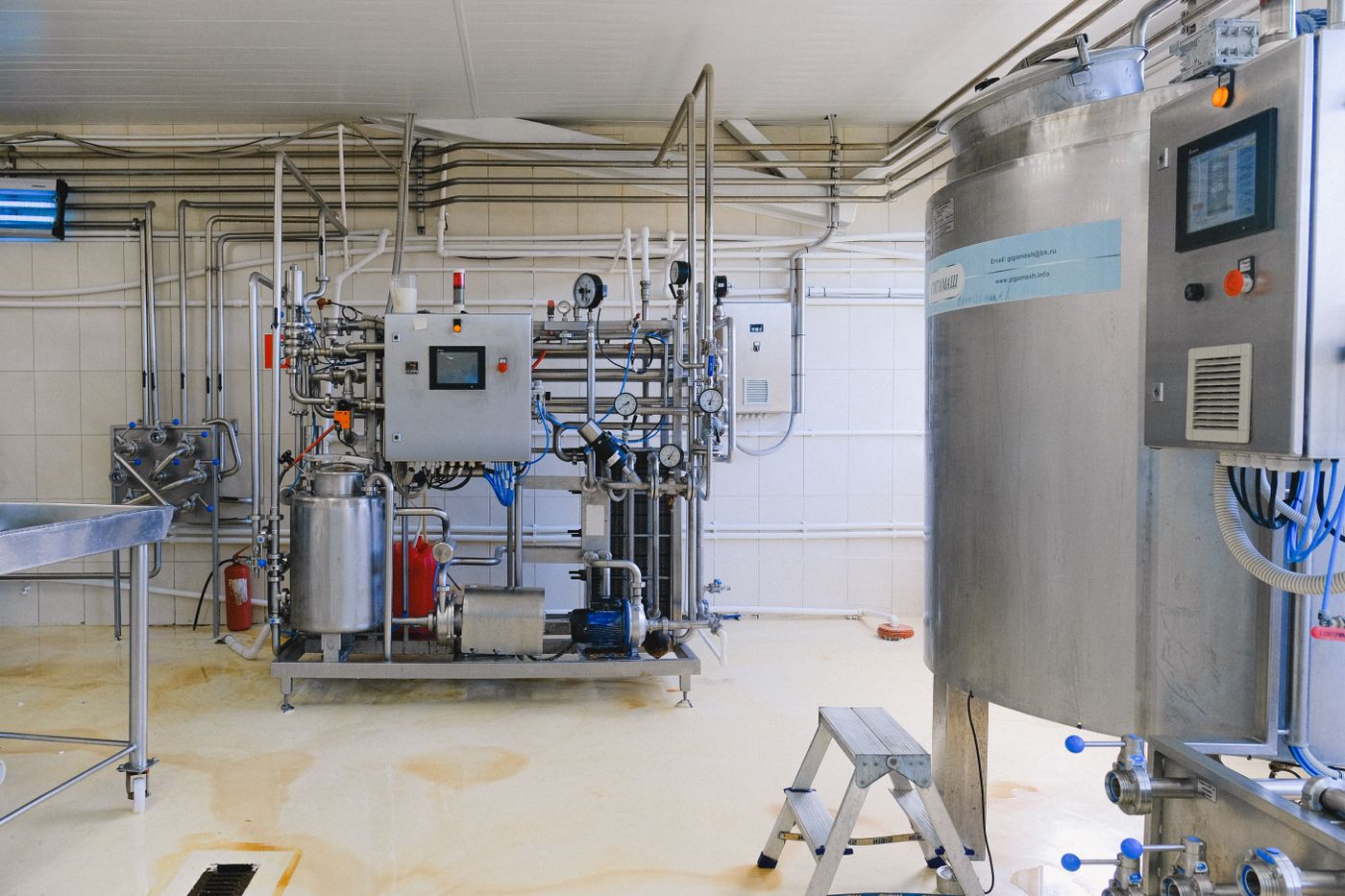
Ming Trip aiuta i gruppi a sviluppare una proposta di programma in base alle città, agli interessi e agli obiettivi formativi. Discutiamo i formati di visita e l’organizzazione pratica, poi definiamo le prestazioni e il preventivo. Accoglienza aziendale, relatori e accesso restano soggetti alla conferma di ogni ospitante.
Puoi inviare una richiesta per una persona o un piccolo gruppo. Le possibilità dipendono dall’ospitante, dal formato, dalle date e dall’organizzazione pratica; una richiesta non costituisce un’autorizzazione di accesso.
Solo se l’ospitante lo conferma esplicitamente. Chiedi se la visita concordata riguarda uno showroom, un museo, un corridoio visitatori o un’area produttiva in attività.
Contattaci appena conosci le date indicative, il numero di partecipanti e gli obiettivi. I tempi dipendono dall’ospitante e dal formato richiesto; discuteremo le tempistiche per la tua richiesta specifica.
Places to See
Reviewed 2026-10-02
A useful starting point for understanding the region beyond its skyline.
Guangzhou’s older neighborhoods bring arcaded streets, small eateries and daily commerce close together. Alongside the landmarks on your confirmed route, notice how residents use the streets and how food and trade shape the city.
Dim sum, congee, roast meats and Cantonese desserts offer approachable ways into the local food culture. Ask about ingredients and portion sizes, especially when dishes are shared or you have dietary restrictions.
A market can show how trade and everyday shopping work, even if you are not buying anything. Ask before photographing stalls and confirm prices and terms clearly before a purchase.
If you have independent time, choose a compact area instead of trying to cross the city between every meal and landmark. Look for a practical loop with a place to sit, a meal stop and a clear return route. Save the Chinese address of the meeting point and agree when to return before setting off.
Notice the relationship between shopfronts, covered walkways, deliveries and places to eat. The most useful question is often simple: who is this street serving today? Keep moving through narrow areas so observation does not become an obstacle for residents and traders.
A riverside or skyline stop works differently in heat, rain and low visibility. Choose whether your priority is a walk, a view or a booked attraction; do not assume the same ticket or route covers all three. For a Canton Tower or Pearl River activity, follow the exact inclusion and meeting point in your itinerary.
The Guangzhou portion of the route places urban life alongside manufacturing and design themes. Try comparing the experience of a public space with the presentation inside a company visit. Both tell you something useful, but neither should stand in for the whole city.
Places to See
Reviewed 2026-10-02

Look for the connection between skilled making and cultural practice.
Foshan’s ceramic traditions offer one way to explore the region’s long relationship with making things. A heritage visit can be more rewarding when you ask about materials, techniques and how skills are passed on.
Foshan lion dance brings movement, martial-arts influence and percussion together. If a performance is included in your itinerary, follow the venue’s viewing and photography instructions and allow the performers space.
A temple, workshop or neighborhood can remain part of everyday community life while welcoming visitors. Follow the host’s guidance and avoid treating a living practice as an activity you may join without permission.
The route can bring together Foshan city, Shunde and a range of craft, design and cultural settings. Avoid treating every stop as if it were beside the same temple or kiln. Ask how the day is organized before adding a side trip; the transfer is part of the time commitment.
At a ceramic display, compare surface, shape and intended use before concentrating on decoration. Ask how a piece is formed and fired, and how a contemporary design differs from an older example. A small number of thoughtful questions can reveal more than trying to photograph every object.
Mingtrip has confirmed that Day 3 includes a hands-on dragon boat paddling experience: visitors can get aboard and paddle. Check your departure instructions for the exact venue and arrangements. Share any practical participation question with the team before booking; this guide does not set an age limit, duration or weather policy.
After a busy visit, a short neighborhood walk or unhurried meal can be more rewarding than another distant attraction. If your evening includes Lingnan Tiandi or Shunde OCT Harbour PLUS, check the return arrangement and choose a meeting place that is easy to find after dark. Keep the names of these different areas distinct when using a taxi app.
Places to See
Reviewed 2026-10-02

Look beyond the product to how technology is used.
A technology experience may take place in a public space, market or showroom rather than inside a factory. Look at the people using the service, the surrounding infrastructure and the problem it aims to solve.
A showroom can offer a useful introduction to a product without including its design team or production facility. Drone delivery, robotics and mobility demonstrations may also depend on weather, operating hours and local permissions.
If you shop for a device, ask about overseas network support, account requirements, interface languages and warranty service. Test the exact item and check your airline’s rules before buying anything with a battery.
A delivery robot or drone can prompt questions about where a service operates, who can use it and what happens when conditions change. Ask what is happening on the day rather than assuming a demonstration represents every district or customer. A compelling observation can be quite small: how people collect an order, find an entrance or ask for help.
If you want to browse electronics outside the group programme, make a short list before visiting. Note your device model, connector, voltage requirements and the country where the product will be used. Compare the exact version rather than only the brand name; packaging, software and warranty terms may vary.
If your departure includes Dameisha, allow it to be a change of pace rather than another checklist. Bring a layer or rain protection according to the forecast and follow local waterfront rules. A coastal stop does not imply swimming supervision, access to water activities or guaranteed beach conditions.
The same city contains public parks, universities, business districts, residential streets and visitor venues. A corporate presentation is one perspective on it. Keep your notes grounded in the setting and date, and look for questions to explore later rather than declaring that one visit explains an entire industry.
Places to See
Reviewed 2026-10-02

Two different ways a Guangdong itinerary may extend beyond the core city route.
Jiangmen and Zhuhai introduce different possibilities to a Guangdong journey. A departure may use one branch of the route rather than visit both. Check the named venue and visit format: an agriculture experience, science visit, cultural landmark and boat excursion involve different timing, access requirements and weather exposure.
The Kaiping Diaolou and Villages, within the wider Jiangmen area, are a UNESCO World Heritage site. Their fortified buildings connect local life with the history of overseas Chinese communities. They make an interesting separate heritage subject, but a Jiangmen science visit does not imply a Kaiping excursion. If the diaolou matter to you, ask about a dedicated extension instead of assuming they fit between scheduled activities.
A Zhuhai day can have its own cultural or industry focus. If a departure includes a waterfront landmark or cruise, confirm whether you are viewing it from land, entering a venue or boarding a boat. Those experiences are not interchangeable. Ask about the departure point and expected return before arranging an independent evening activity.
Boat services can be affected by conditions, while scientific and corporate sites may have separate approval procedures. Ask what alternative is planned if the advertised format cannot run. Bring any visitor information requested through the agreed secure channel; a passport copy in an open group chat is not a useful shortcut.
A cruise viewing the Hong Kong-Zhuhai-Macao Bridge is not necessarily a journey into Hong Kong or Macao. Do not infer an immigration crossing from a landmark name. If you add either destination independently, check its entry requirements and whether you need permission for another entry to mainland China. Allow sufficient transfer time before an international flight.
Weather & Seasons
Reviewed 2026-10-02

Prepare for walking, changing temperatures and site-specific requirements.
Late autumn and winter in Guangzhou are generally drier than the summer rainy season, but a cold front can change how a day feels. Bring clothing you can add or remove and check local forecasts shortly before departure.
Pack comfortable closed-toe shoes for city walking and any industrial visits. Check the host’s instructions if a site requires particular footwear, long trousers or other protective clothing.
Carry drinking water, tissues, your essential medication, rain protection and the day’s meeting information. Keep valuables and travel documents secure rather than leaving them unattended on transport.
Read your chargers’ voltage labels and bring suitable plug adapters for your accommodation. Verify every airline’s baggage and battery rules, especially if your trip includes a domestic flight in China.
Choose clothes that work for walking, a restaurant and a hosted visit without a complete change. A breathable base layer plus a light sweater or jacket is easier to adapt than one heavy outfit. Add something wind-resistant for a riverfront or coastal stop, and check the forecast for every city on the route.
A compact umbrella, spare socks and a bag for wet items can be more useful than several just-in-case outfits. Keep medication, essential documents and one change of clothing in hand luggage. A small day bag should leave your hands free on stairs and during transfers.
Review temperatures, rainfall and weather warnings shortly before departure. Adjust the outer layer and footwear first. There is no reason to build a packing list around a precise seasonal temperature that may not apply during your particular week.
Travel Essentials
Reviewed 2026-10-02

Small preparation steps help with independent transfers and extensions.
Keep your destination’s Chinese name and address available offline. Cities may have several railway stations, airports or similarly named hotels, so check the complete name rather than just the city.
Train bookings must match the valid identity document used for travel. Carry that original document for security and ticket checks, and allow extra time if you need assistance at a staffed gate.
For a taxi or app-booked ride, check the vehicle and driver details before boarding and keep the trip information. If your phone or payment method fails, ask staffed airport, station or hotel information points for help.
Bring manageable luggage and water, and consider a snack that meets your dietary needs. Meal availability differs between trains; check the service rather than relying on a particular onboard menu.
A short train ride does not always make the shortest transfer. Add the trip to the station, security, boarding and the final connection to your hotel. For Guangzhou, Dongguan and Shenzhen, check the actual station names before comparing services. A city name alone is not a useful meeting point.
Group transport and independent travel are different arrangements. Ask when the group transfer starts and ends, and whether a missed meeting or extra stop is covered. For a self-booked extension, keep the booking reference, cancellation conditions and customer-support contact alongside your itinerary.
Decide what you would do if the first choice fails: use a staffed taxi rank, ask station information for the correct exit, or contact the hotel. Leave enough charge for the final connection and avoid splitting up without an agreed meeting plan. If delayed, tell the group leader promptly and share a clear location rather than a vague landmark.
Food & Culture
Reviewed 2026-10-02

Be curious about local food and clear about your needs.
Explain allergies and dietary restrictions before the trip, then confirm them again when ordering. A translated card can help, but ingredients and cross-contact still need to be checked with the kitchen.
Cantonese meals often offer a range of small dishes or shared plates. Ask how much to order and use serving utensils where supplied.
Follow posted rules in cultural sites and ask permission before photographing people. Keep voices low in quiet spaces and respect any areas reserved for worship, work or residents.
Review restaurant charges and ask if anything is unclear before paying. Check Mingtrip’s confirmed guidance for tour-related gratuities instead of assuming one tipping custom applies to every situation.
A family-style meal, hotel breakfast and business-hosted dinner each have a different rhythm. Follow the host’s lead when there is one, and ask if you are unsure whether to begin or wait. Customs vary between people and settings; a courteous question is more useful than memorizing a long list of absolute taboos.
You can politely decline alcohol, a food you cannot eat or a second helping. Explain a dietary restriction clearly and repeat it if needed. Appreciation does not require ignoring a medical need or accepting more than you want.
Before photographing a diner, vendor, worshipper or performer up close, ask and wait for a clear response. Permission to take a picture is separate from permission to publish it. At company visits, use the host’s rules even if other visitors appear to be taking photos.
Travel Essentials
Reviewed 2026-10-02

Keep the information you may need accessible before anything goes wrong.
Discuss relevant travel health questions with a clinician in advance. Check that you can bring any medicine you need and that your insurance suits your itinerary and personal circumstances.
Save your Mingtrip contact, hotel address, insurer’s assistance number and your embassy or consulate’s official contact. In mainland China, the emergency numbers are 110 for police, 119 for fire and 120 for an ambulance; keep an offline copy of your contacts and exact location details.
If a passport is lost, contact local police and your embassy or consulate for the required replacement steps. If a phone or card is missing, contact the relevant provider to protect your accounts and keep records of the incident.
Tell Mingtrip about a problem while there is still a chance to address it locally. Record the date, location and relevant details and keep receipts; avoid sharing passport or payment information in public reviews or messages.
A contact sheet is useful only if you can open it when your phone has no data. Save an offline copy and leave another with a travel companion. Include the hotel’s Chinese name and address, policy number and a short description of how to reach your insurer; do not put sensitive medical details in a public shared folder.
Ask your insurer about existing conditions, trip cancellation, medical treatment and any activity you plan to add. Check whether the provider expects you to call before non-emergency treatment and how claims are documented. A group itinerary is not a substitute for suitable personal cover.
If illness or discomfort affects walking or participation, tell the group leader before the next transfer. Request a practical adjustment rather than trying to push through a schedule. For urgent symptoms, seek local medical help promptly; do not wait for a routine group message to be answered.
Entry & Visas
Reviewed 2026-10-02
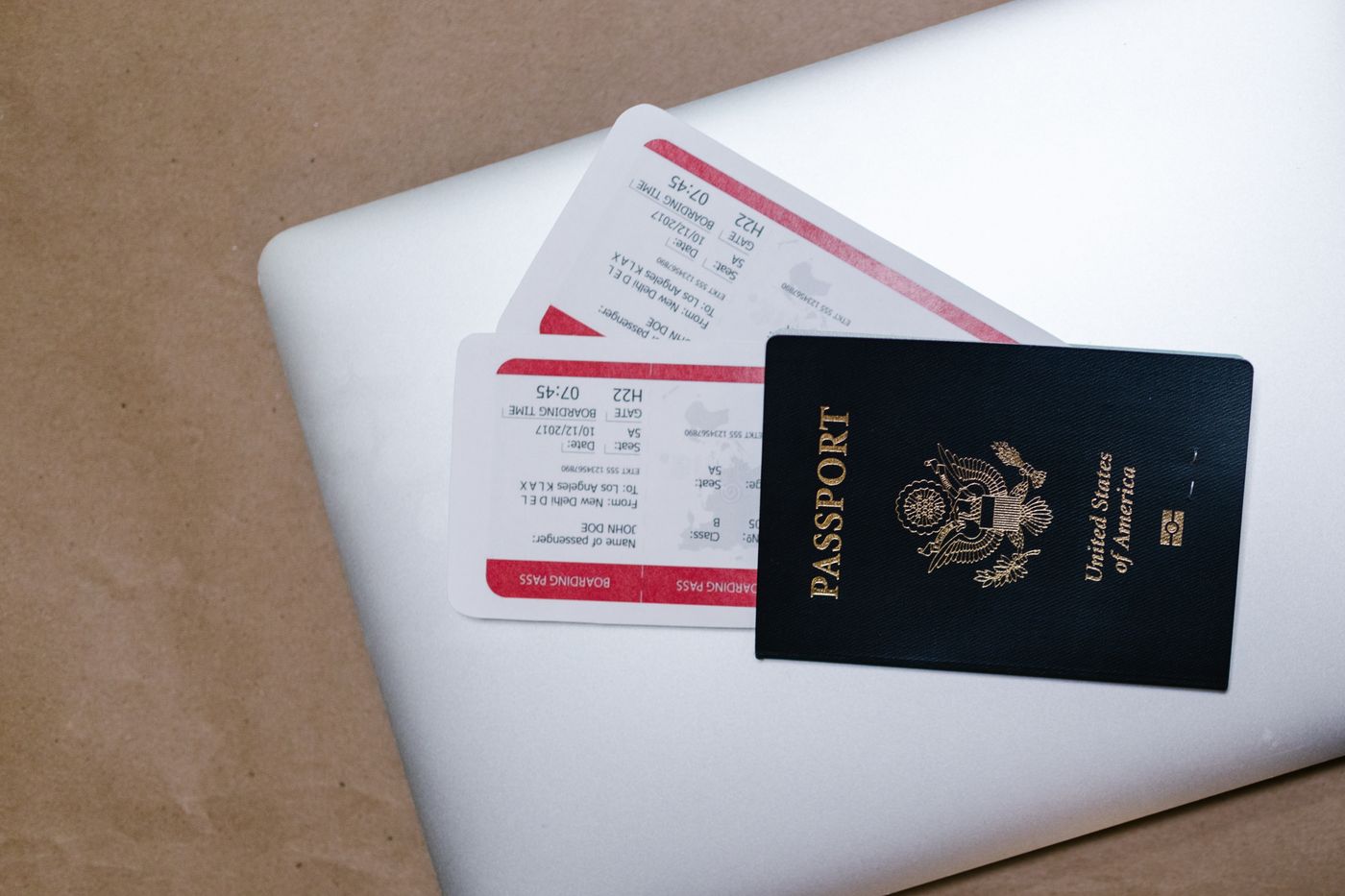
Confirm eligibility before making non-refundable arrangements.
Check the requirements for your passport nationality and type, travel dates and actual activities, including any business or study visits. Visa-free eligibility depends on the purpose and permitted length of stay, and a tour confirmation letter does not itself grant entry.
The 240-hour transit policy is conditional on an eligible onward itinerary to a third country or region. Check approved ports and travel areas against the entire journey, including any nights added before or after the tour.
A policy available today may have a published end date. Recheck before departure, and review any separate Hong Kong or Macao stay and mainland re-entry rather than treating them as one continuous entry.
Where an arrival card is required, complete it through the free official NIA service or use the available arrival-port option. Keep your accommodation and onward-travel information ready.
List each arrival and departure country or region, the entry port, nights in mainland China and your onward booking. Add independent nights before or after the tour. This makes it easier to spot a route that returns to the same origin rather than continuing to a third destination, or an extension that introduces another mainland entry.
Australia, the United States, Canada, the United Kingdom and European countries do not form one immigration category. Eligibility can differ by nationality, passport type and travel purpose. Check the rule for each traveler, including anyone holding a different passport from the rest of the group.
Describe the actual activities when seeking official advice. A sightseeing tour, short company visit, formal study and paid work are not interchangeable just because all involve travel. Where your plans fall outside the published permission, ask the consulate about the appropriate route before booking non-refundable arrangements.
Travel Essentials
Reviewed 2026-10-02

A mobile wallet, a bank card and some cash give you useful alternatives.
Install Alipay or Weixin Pay from an official source and follow its current registration and card-linking instructions. Resolve verification questions while you still have easy access to your bank and usual phone number.
Supported cards, fees and spending limits are product-specific and can change. Check the amount and any displayed fee before authorizing a payment.
Bring a usable physical bank card and some RMB cash so a phone or app problem does not leave you without options. Check overseas-use settings and the issuer’s contact details before travelling.
Never share a PIN, full card details or verification code with someone offering to fix a payment. If a transaction fails, use official app or bank support and avoid repeated attempts before you know whether the first payment succeeded.
At some checkouts you show your payment code for the cashier to scan. At others you scan a merchant code and enter an amount. Pause to check the merchant name, currency and total before approving. A restaurant menu code, a transport code and a payment code can lead to different services.
When convenient, try a modest purchase while you have time to check the result. Confirm that the app and merchant show success before leaving. If the screen is ambiguous, open the transaction record or contact official support before attempting the same payment repeatedly.
A wallet that works in a shop may require additional steps for a city’s transport service. Follow the current instructions for that particular system and keep a way to buy an ordinary ticket. Do not assume that linking a foreign card enables every mini-program, transfer or deposit.
Choose a modest emergency reserve suited to your independent plans instead of carrying one universal recommended amount. Keep it separate from your only bank card. Use a bank or clearly identified exchange service, review any charges and keep the receipt when useful for your records.
Travel Essentials
Reviewed 2026-10-02

Check data, phone compatibility and the services you actually need.
Ask your mobile provider whether the plan covers mainland China, how much data it includes and whether calls or SMS are available. A data-only plan may not provide a local phone number or the messages needed for account verification.
Confirm that your phone supports the SIM or eSIM you intend to use and is unlocked where required. Mainland carrier eSIM activation has separate device and registration requirements, so do not assume any eSIM-capable phone is eligible.
Some overseas websites and apps may be unavailable on mainland connections. The trip leader creates a WhatsApp group before departure, so agree an alternative contact method with Mingtrip and your companions in case your usual app is unavailable.
Save the confirmed meeting point, hotel address in Chinese and contact numbers before your flight. Carry a paper copy of the essential details in case your phone is unavailable.
Before departure, open your booking confirmation, maps, translation tool and airline account. Save essential screens or documents offline. Ask whether your plan permits hotspot sharing if another traveler will rely on it, and remember that losing one phone can then affect both of you.
Bank and account checks may send a message to your usual number. Ask your provider how receiving SMS works while abroad and which charges apply. With two SIMs, label the lines and check which one supplies data; an accidental roaming setting can be expensive.
Ask about Wi-Fi access at check-in, but do not make it the only way to contact your group. Portals can require additional steps, and connectivity can vary within a building. Keep your meeting time and return address somewhere you can read without connecting.
Make sure a travel companion and the trip contact know how to reach you if your preferred messaging service is unavailable. A saved telephone number and a fixed meeting point can be more dependable than installing an unfamiliar app during a rushed arrival.
Travel Essentials
Reviewed 2026-10-02

A practical sequence from booking to the station exit, with the details that first-time travelers often miss.
Search for the exact departure and arrival stations, not just two cities. Save their Chinese names and the date, train number and departure time with your booking. The station that is most convenient for one hotel may be the wrong choice for another. Compare the complete transfer before selecting the fastest-looking train.
China Railway uses real-name ticketing. Enter the passenger name and document details carefully and bring the original identity document used for the booking. China Railway’s English guidance confirms that e-tickets are available; an itinerary sheet is a useful reference but is not itself a boarding document. If your passport is renewed after booking, resolve the document mismatch through the booking channel before travel.
Keep your passport accessible without leaving it in an open pocket. Place the train number, carriage and seat details somewhere easy to read offline. Leave time for station entry, security and finding the boarding area. Ask staff if an automated reader does not accept your document, and watch the current station display rather than relying on a screenshot of an earlier gate assignment.
Check the carriage number before boarding and avoid stopping in the doorway to rearrange bags. Keep valuables with you and use the designated luggage areas without blocking passages. Choose luggage that you can move yourself during short transfers. If you need assistance or have an access requirement, ask about arrangements before the travel day rather than assuming someone will be available on the platform.
Follow announcements and the route information, and collect belongings before the train reaches your station. At an intermediate stop, do not wait a few extra minutes to avoid a queue: the train may continue shortly. Check the seat pocket and overhead area while there is still time, then leave when the doors open and staff indicate it is safe.
Your document can also be needed to leave the station. Keep it accessible until you are outside the controlled area. Before joining a taxi queue or walking to the metro, confirm the exit and destination. If someone is meeting you, send the exact station and agreed exit rather than a photograph of an unfamiliar concourse.
Travel Essentials
Reviewed 2026-10-02

Check chargers, phone power and each airline’s battery rules before putting devices in your bag.
Check the input-voltage information printed on each device or charger. A plug adapter changes the physical connection; it does not convert the electrical supply. If the label or compatibility is unclear, ask the manufacturer rather than experimenting in a hotel socket. Hair appliances and other high-power devices deserve particular care. Ask your accommodation which socket types are available and use a suitable, reputable adapter.
List the devices you will actually use, the cables they need and which charger powers each one. A spare cable for your phone can be more useful than several rarely used gadgets. Charge important devices before a long transfer, and keep the phone available for tickets, translation and your arrival address. Do not depend on a particular bus or train having a working outlet beside your seat.
Battery policies apply to the actual carrier and route. China’s Civil Aviation Administration introduced an additional rule for domestic flights from June 28, 2025: power banks without a clear CCC marking, and recalled models or batches, are prohibited. A device accepted on your international flight may therefore still be unsuitable for a domestic leg. Review the latest airline instructions before travel, including capacity, quantity, storage and in-flight-use restrictions.
An online packing list that simply says a power bank below 20,000 mAh is allowed leaves out important checks. Keep the original rating label legible and check any approval requirement directly with the airline. A compliant-looking capacity does not override a recall or certification restriction. Never travel with a swollen, damaged or overheating battery.
A purchase during the trip adds another item to your return luggage. Before paying, check battery documentation, compatible chargers, warranty coverage and whether the device needs a region-specific account or network. Keep the receipt and packaging information that identifies the exact model. If you cannot confirm that the item can travel on your booked flights, wait until you have an answer.
Carry a small printed contact sheet and keep a payment backup separate from the phone. Your entire day should not depend on one battery. Before leaving a hotel, check that you have the charger, cable and adapter rather than assuming they are already in the bag.
Travel Essentials
Reviewed 2026-10-02

Build a small set of readable addresses, simple phrases and tested tools instead of relying on constant connectivity.
Keep the hotel’s Chinese name, full address and telephone number, plus the confirmed meeting point. An English hotel name may have several translations or resemble another property. Include the district and an official map pin when available. Store the information as readable text as well as a screenshot so you can enlarge it or show it to a driver.
A translation app may offer downloadable language packs, but not every feature works offline. Test a short typed sentence in airplane mode and separately check whether camera translation still works. Download what you need through the official app store. Keep the phone’s operating language familiar so you can find settings quickly when tired or under time pressure.
Ask one question at a time. A request such as “Please take me to this hotel entrance” is easier to check than a long explanation containing several landmarks. Show the written result and invite the other person to respond. For a price, time or pickup point, confirm the number or location explicitly rather than assuming a nod means the whole message was understood.
A menu description can be approximate; an allergy, medicine instruction or legal document cannot. A machine translation is a starting point for communication, not proof that a kitchen can avoid an allergen or that you have understood an agreement. Ask for qualified help with consequential details and avoid putting passport or bank information into a translation tool unnecessarily.
Useful items include “Where is this address?”, “Please write the price”, “I do not understand” and “Please help me contact my hotel”. Ask a fluent speaker to check any important personal wording. Mandarin can be useful across the trip, while local languages and accents will also be part of what you hear. You do not need to master every phrase to communicate respectfully.
Before independent free time, choose a clear return location and time. Save a telephone number as well as the group’s preferred messaging channel. If you become separated, stop somewhere safe and ask a staffed information point or your hotel for help. Avoid wandering between possible meeting places while your phone battery runs down.
Entry & Visas
Reviewed 2026-10-02

Keep booking details and documents ready, and know why accommodation information matters during your stay.
Check that the room, date and guest details match your plans. If you arrive after midnight, make sure the booking covers the night when you need to enter the room. Ask about the check-in time, late arrival procedure, luggage storage and any deposit. A flight landing early in the morning does not automatically make the room available then.
Have your passport or other valid travel document ready at reception. The official guide for foreign visitors explains that hotels can handle accommodation registration using the guest’s travel documents. Keep the booking confirmation available, but do not treat a photocopy or a phone image as a replacement for the original document required by the property.
Review the guest name, departure date and room arrangement before leaving reception. Save the hotel’s Chinese address and a contact number, especially if you will return independently. Ask where to meet the group in the morning and whether breakfast is included in your booking. Small clarifications at check-in prevent unnecessary confusion when the lobby is busy.
If you stay somewhere other than a hotel, do not assume the same registration process happens automatically. Official guidance says foreign visitors staying elsewhere need to register locally within 24 hours of arrival. Check the applicable local procedure with your host or the relevant authority in advance. A holiday rental confirmation is not itself evidence that registration has been completed.
Ask which charges are a deposit, which are included and how any deposit is released. Keep a receipt or record of the arrangement. Confirm whether bottled drinks, laundry and late checkout cost extra before using them. For dietary or access needs, explain the specific requirement rather than relying on a general description such as international standard.
Check the safe, sockets, bathroom and luggage area. Keep the next address and transfer instructions handy before leaving Wi-Fi coverage. If you find a billing issue, ask for an itemized explanation and raise it while the property can still check the details. Avoid posting a passport image or payment screenshot in a public review.
Food & Culture
Reviewed 2026-10-02

A relaxed way to approach tea, small dishes and a shared table without needing to know every menu item.
A dim sum meal is easier to enjoy when you leave space to adjust. Ask how the restaurant takes orders and what a portion contains. Choose a few dishes first, then add more if the table wants them. If you are sharing with others, agree on any dietary needs before the first round rather than trying to separate ingredients once food has arrived.
Look for a mix of textures and cooking methods: a steamed item, something crisp, a rice or noodle dish and a vegetable option if suitable choices are available. Cantonese menus also offer congee, roast meats and desserts. You do not need to order an example of every category. Ask which dishes are made to order and whether everything is likely to arrive together.
Choose a tea you enjoy or ask for a recommendation based on flavor rather than expertise. Confirm how tea and any table charges appear on the bill. Some restaurants use a printed menu, some a digital order and some another system; watch the current process instead of searching for the trolley service you may have seen elsewhere.
A familiar-looking dumpling can contain ingredients you would not identify from its appearance. If you avoid meat, shellfish or another ingredient, ask about the filling, stock, sauce and cooking oil. The word vegetable does not tell you everything about a dish. For a serious allergy, follow your usual medical plan and seek a clear answer about cross-contact rather than relying on a photo translation.
Use serving utensils when they are provided, and ask for a spoon or fork if it makes the meal easier. Place a small portion on your own plate rather than reaching repeatedly across someone else. Follow your companions’ pace, but feel free to decline another dish or more tea. Friendly curiosity matters more than performing an elaborate set of dining rules.
Choose an unhurried meal when the schedule allows, especially for your first experience. If you have a fixed departure, tell the restaurant before ordering and ask what can be served in time. Check the bill, confirm the payment result and collect your belongings before returning to the group. A good first meal is one you feel comfortable repeating.
Food & Culture
Reviewed 2026-10-02

Explain your requirements clearly before travel and confirm the details again at each meal.
Tell the organizer whether you are describing a preference, religious requirement, intolerance or diagnosed allergy. These need different conversations with a kitchen. Be specific about ingredients and cross-contact concerns. If your restriction is medically significant, discuss the trip with your clinician and follow their advice about medication and emergency care.
Carry a short Chinese translation of the foods you cannot eat and what the kitchen needs to avoid. Have important wording checked by a fluent speaker who understands the requirement. A broad label such as vegetarian or gluten-free may not answer questions about stock, sauce, shared utensils or preparation surfaces. Keep the card easy to show without sharing unrelated medical information.
The visible main ingredient is only one part of a meal. Ask about fillings, marinades, garnishes and the liquid used for cooking. A vegetable dish may still be prepared with an animal-based ingredient, and a sauce may contain something that is absent from the dish name. If the answer is uncertain, choose another option rather than asking the server to guess.
Tell your guide before arriving at the restaurant so there is time to speak with the kitchen. Discuss whether you need a separate dish and dedicated serving utensils. Do not assume that removing an ingredient at the table makes a meal safe. If the group changes restaurants, repeat the conversation; an earlier explanation does not automatically reach a new kitchen.
Bring suitable packaged food for a transfer if you can lawfully carry it across the relevant border, and check customs rules before packing food from home. Keep essential medication with you according to your clinician’s instructions. A backup snack is useful when a meal is delayed, but it is not a substitute for a safe eating plan over several days.
If symptoms suggest an allergic reaction or another urgent medical problem, follow your prescribed plan and seek medical help promptly. Tell the person helping you exactly where you are and show the written description if needed. Discuss emergency arrangements and insurance before departure so this is not the first time you are looking for the right contact.
Weather & Seasons
Reviewed 2026-10-02

Think about comfort, outdoor plans and flexibility rather than looking for one perfect month.
A trip built around city walks has different needs from one centered on indoor visits. List the activities you most want to enjoy and decide which depend on clear skies, comfortable walking conditions or boat operations. Then compare your available dates. A good travel week is one whose likely conditions you can prepare for, not one described online as universally best.
Guangzhou’s official climate overview describes spring as changeable, with temperatures and rainfall generally increasing. Build a plan that can move a long outdoor walk to a better part of the day. Bring a light layer and rain protection, and allow footwear to dry between outings. A cloudy morning does not tell you everything about the afternoon.
Hot, humid and rainy conditions can make a full outdoor schedule tiring. Place breaks into independent plans and look for shaded or indoor pauses. Check local warnings before leaving for a waterfront or exposed area. If conditions are poor, an indoor cultural stop or an unhurried meal may be more rewarding than pushing through a sightseeing list.
Guangzhou generally becomes drier as autumn progresses, while winter can bring cool spells. That pattern helps with planning but does not guarantee dry weather during your stay. Keep an adaptable outer layer, especially for evenings and time near the coast. Check the cities on your route rather than relying on a forecast for somewhere else in southern China.
A forecast describes expected conditions; an official warning can require a change of plan. Follow local authorities, transport operators and your group leader when outdoor activity or travel is affected. Avoid standing near exposed waterfront edges or entering flooded areas for a photograph. Keep the next day’s contact and transfer details available offline in case the programme changes.
When adding independent days, avoid making every hour dependent on one outdoor attraction. Choose accommodation and transport terms you understand, and know what can be changed if conditions interfere. Keep one simple alternative nearby rather than assembling a second full itinerary. Flexibility is useful only when the backup is realistic to reach.

Weather & Seasons
Reviewed 2026-10-02

Check the exact calendar and protect the parts of your journey that depend on a fixed connection or appointment.
Chinese holiday arrangements can include adjusted working days, and dates linked to the lunar calendar change from year to year. Use the published government schedule for the year you will travel. Do not copy a generic statement that every Spring Festival or May Day break lasts the same number of days. Check the calendar again when adding an independent extension.
A public attraction may be open while a company’s visitor team is unavailable, or a working site may follow a different schedule from the surrounding shopping district. Ask whether the actual host has confirmed the visit. For a journey that combines culture and industry, the availability of the specific venue matters more than a broad claim that the city is open.
Identify the bookings that are hard to move: your international flight, a confirmed group meeting or a limited-capacity appointment. Leave sensible transfer time around them. Check hotel cancellation terms and transport availability before filling spare hours with additional attractions. An ambitious day becomes fragile when every delay threatens the next reservation.
For rail travel, consult China Railway’s current sales and ticket guidance. A search result showing a train does not mean tickets for your date are already on sale or that a seat is guaranteed. Keep the booking status and passenger details clear. If using an agent, understand what is confirmed and what is only a request.
On a busy day, one well-chosen visit and a meal can be better than several cross-city transfers. Consider whether you can walk between activities and where you can wait comfortably if a venue is crowded. Avoid assuming that arriving a little earlier will solve every queue; some places require a separate reservation or timed entry.
Save your booking references and support contacts offline. If a service changes, check the operator’s information before paying for another ticket, and tell the group contact if your arrival will be affected. Read any change or refund conditions before making the replacement. Keep receipts if you may need to discuss the disruption with an insurer.
Travel Stories
Reviewed 2026-10-02

An editorial companion to a journey that places craft, design and technology in the same conversation.
A ceramic vessel, a chair and a small electronic device invite different kinds of attention. Before asking how advanced something is, look at what it is for. Who uses it? What makes it comfortable, durable or easy to understand? Those questions work in a heritage display as well as a contemporary showroom, and they help connect visits that might otherwise feel unrelated.
At a craft stop, take a moment to notice the surface and the way the object has been shaped. Ask which part depends on a person’s skill and which part follows a repeatable process. At an industrial or design visit, ask the same question without assuming that machines remove the need for judgment. A useful comparison begins with what you can actually observe.
A museum arranges objects to tell a story. A showroom selects products to explain an offering. A visitor route through a working site is designed around access and safety. Each format can teach you something, but each also leaves things outside the frame. Ask what kind of visit you are having before turning it into a conclusion about the wider organization.
A lion dance or a neighborhood meal does not need to become a lesson about productivity to belong on the same journey. Give the performers, food and social setting your attention on their own terms. Guangdong becomes more interesting when cultural life is allowed to be more than decoration around business visits.
Choose two things you noticed and write a few lines about the difference. Perhaps one object made its purpose obvious while another required explanation, or one visit showed a process while another showed only a result. Keep the note specific. “The host demonstrated this feature” is more useful than “this is how the whole industry works”.
After the trip, return to the subjects that made you curious. Look for a museum resource, an official technical explanation or another perspective rather than treating a brief visit as the final answer. The value of a thoughtful itinerary is partly the quality of the questions it leaves you with.
Travel Stories
Reviewed 2026-10-02

A field guide to the ordinary moments that can make a busy itinerary feel more connected.
A transfer, a tea break and a short walk are easy to treat as gaps in the programme. They can also help you understand how a place works. Notice how people find an entrance, collect an order or share a small public space. You do not need to turn every moment into research; simply looking up from the next booking can change what you remember.
Observation should not make daily life harder for someone else. Keep doorways clear, do not follow people for a photograph and ask before making a close-up portrait. If a shop or workshop is busy, let the people working decide whether it is a good time for questions. A respectful distance often makes the experience more comfortable for everyone.
Instead of asking someone to explain an entire city, choose a detail they can reasonably discuss: what a dish contains, what a material is called or which entrance you should use. Keep the question short and accept that the person may not have time to answer. If a guide is available, save the broader question for a moment when it will not interrupt a host.
The Guangdong route moves between neighborhoods, visitor sites, company settings and larger urban spaces. The contrast can be part of the pleasure. A carefully made object asks for a close look; a waterfront asks you to step back. Resist the urge to rank one as more authentic than the other. Both can belong to the same place without telling the same story.
Write the place name and one observation after a visit, while the details are fresh. If you take photos, distinguish a display from a working area and record whether publishing is allowed. Avoid collecting more personal information than you need. A few accurate notes are easier to revisit than a camera roll full of images whose context you no longer remember.
When the schedule gives you free time, choose a manageable area and a clear return point. A short walk and a place to sit may be enough. You do not need to fill the gap with another famous attraction for the day to count.

Entry & Visas
Reviewed 2026-10-02

Know where to complete arrival information and keep it separate from the permission you need to enter.
China’s National Immigration Administration provides an online arrival-card service for foreign visitors. Its official notice warns about imitation websites charging fees for this process. Use the service linked from the NIA website rather than a sponsored search result or an unsolicited message. The arrival-card service itself is free.
Before opening the form, have the passport you will travel with, your arrival information and your first accommodation details available. Check the hotel’s full name and address rather than entering a guess based on the tour’s arrival city. For the current Guangdong route, arrival at Guangzhou Baiyun Airport is followed by a Foshan welcome, so use the accommodation details provided in your own confirmation.
Copy names and document numbers accurately and review the submitted details before relying on the confirmation. Use the instructions in the live official service because the form may change. If a field does not match your situation, seek official guidance rather than choosing an inaccurate answer simply to continue.
An arrival card supplies information for the entry process. It is not a visa and does not establish eligibility for a visa exemption or transit arrangement. Check your passport, purpose, onward route and permitted stay separately. Carry the supporting travel documents required for your situation, even when you have completed information online.
The NIA says travelers unable to complete the online process in advance can use the available facilities at the entry port, and paper arrival cards remain available. Follow the instructions at your actual port. Leave time for the entry process when considering a same-day onward connection or meeting; no travel article can guarantee how quickly an individual arrival will be processed.
Do not send your passport details or completed form to someone who contacts you unexpectedly offering to fix entry paperwork. If you need help, use the official service or an authorized contact whose role is clear. Save any useful confirmation privately and avoid including it in public posts or group-photo folders.
Pauloleong2002 / Wikimedia Commons · CC BY-SA 4.0 · Double skin milk with mango.
Rc1959 / Wikimedia Commons · CC BY-SA 4.0 · Guangzhou South railway station platform.
Jacky Cheung (Jackycheung0929) / Wikimedia Commons · CC BY-SA 4.0 · Guangzhou Baiyun Airport Terminal 2 departure lobby; not an arrival hall or visa counter.
Gigel.atat / Wikimedia Commons · CC BY-SA 4.0 · Dameisha coast viewed from the mountain side.
Angela Roma / Pexels · Pexels License; commercial website use allowed; no endorsement implied. Unaltered; displayed at native aspect ratio. Illustrative photography; not a confirmed tour supplier or activity.
Vlada Karpovich / Pexels · Pexels License; commercial website use allowed; no endorsement implied. Unaltered; displayed at native aspect ratio. Illustrative photography; not a confirmed tour supplier or activity.
Anna Shvets · Pexels License. Resized and compressed; original composition retained. General-topic photographs illustrate the subject and do not identify a confirmed visit or venue.
Pkkj · CC BY-SA 4.0. Resized and compressed; original composition retained. General-topic photographs illustrate the subject and do not identify a confirmed visit or venue.
Weichao Deng · Unsplash License. Resized and compressed; original composition retained. General-topic photographs illustrate the subject and do not identify a confirmed visit or venue.
Jason Yuen · Unsplash License. Resized and compressed; original composition retained. General-topic photographs illustrate the subject and do not identify a confirmed visit or venue.
RDNE Stock project · Pexels License. Resized and compressed; original composition retained. General-topic photographs illustrate the subject and do not identify a confirmed visit or venue.
ready made / Pexels · Pexels License; commercial website use allowed; no endorsement implied. Unaltered; displayed at native aspect ratio. Illustrative photography; not a confirmed tour supplier or activity.
Max Vakhtbovych / Pexels · Pexels License; commercial website use allowed; no endorsement implied. Unaltered; displayed at native aspect ratio. Illustrative photography; not a confirmed tour supplier or activity.
Muhamad Guruh Budi Hartono / Pexels · Pexels License; commercial website use allowed; no endorsement implied. Unaltered; displayed at native aspect ratio. Location photograph; no guaranteed access or activity implied.
MeiOLA 2290 WMENSZ · CC0. Unaltered; displayed at native aspect ratio. Location photograph; no guaranteed access or activity implied.
Eric Prouzet · Pexels License. Resized and compressed; original composition retained. General-topic photographs illustrate the subject and do not identify a confirmed visit or venue.
Gustavo Fring · Pexels License. Resized and compressed; original composition retained. General-topic photographs illustrate the subject and do not identify a confirmed visit or venue.
中少 · CC BY-SA 4.0. Unaltered; displayed at native aspect ratio. Location photograph; no guaranteed access or activity implied.
MeiOLA 2290 WMENSZ · CC0. Unaltered; displayed at native aspect ratio. Location photograph; no guaranteed access or activity implied.
颐园居 · CC BY-SA 4.0. Unaltered; displayed at native aspect ratio. Location photograph; no guaranteed access or activity implied.


