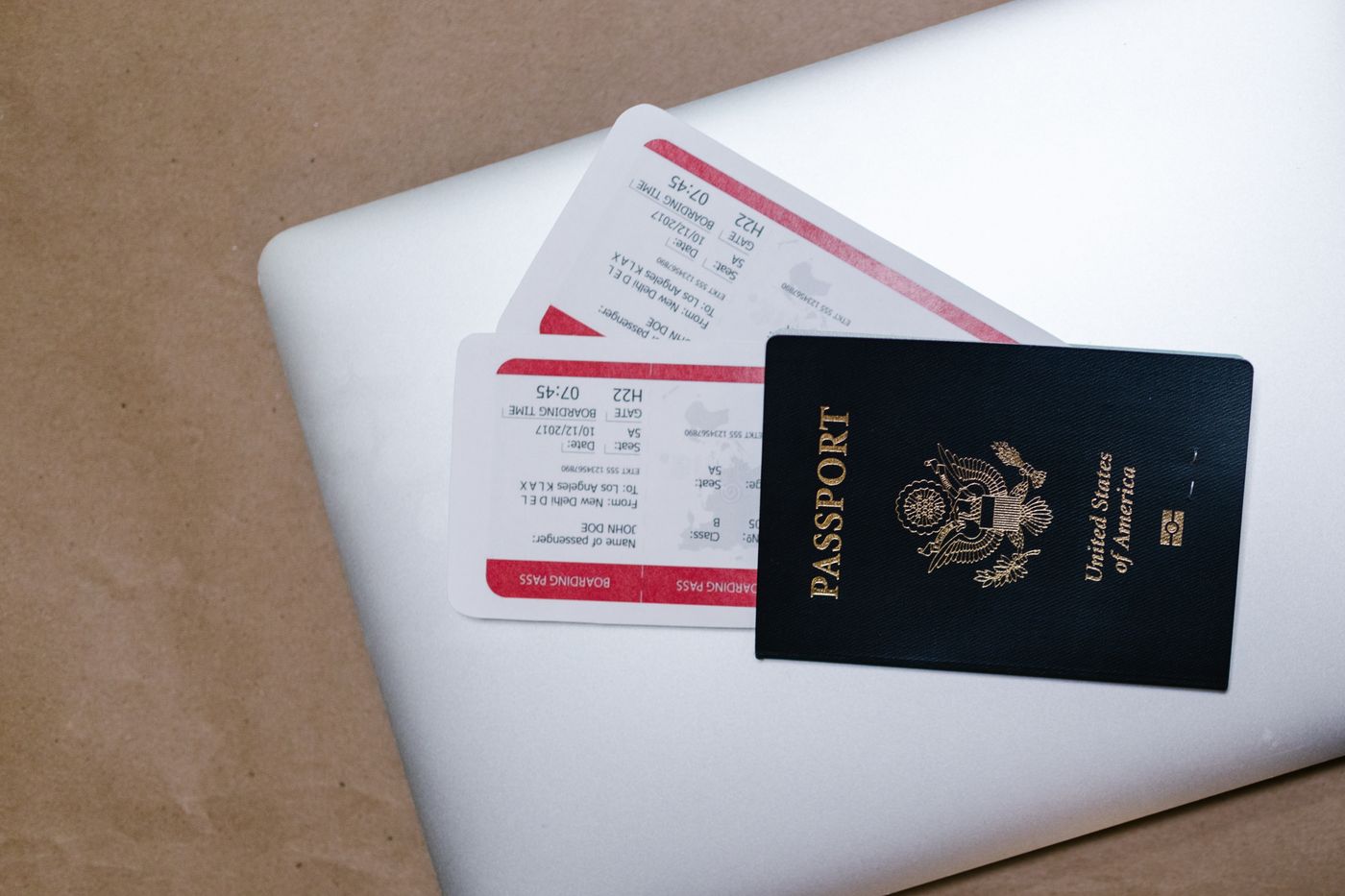
Mantenha acessíveis as informações de que poderá precisar antes de surgir um problema.
Prepare-se para as suas próprias necessidades de saúde
Fale antecipadamente com um profissional de saúde sobre questões relevantes para a viagem. Confirme que pode levar os medicamentos de que precisa e que o seguro se adequa ao itinerário e às circunstâncias pessoais.
Prepare uma lista simples de contactos
Guarde o seu contacto da Mingtrip, a morada do hotel, o número de assistência da seguradora e o contacto oficial da embaixada ou do consulado. Na China continental, os números de emergência são 110 para a polícia, 119 para os bombeiros e 120 para uma ambulância; mantenha uma cópia offline dos contactos e dos dados exatos da sua localização.
Reaja rapidamente à perda do telemóvel ou passaporte
Se perder o passaporte, contacte a polícia local e a embaixada ou o consulado para conhecer os passos necessários para a substituição. Se faltar um telemóvel ou cartão, contacte o fornecedor pertinente para proteger as suas contas e mantenha registos do incidente.
Comunique claramente os problemas do serviço
Informe a Mingtrip de um problema enquanto ainda houver oportunidade de o resolver localmente. Registe a data, o local e os detalhes relevantes e guarde os recibos; evite partilhar informações do passaporte ou de pagamentos em avaliações ou mensagens públicas.
Mantenha o plano utilizável sob pressão
Uma lista de contactos só é útil se a conseguir abrir quando o telemóvel não tem dados. Guarde uma cópia offline e deixe outra com um companheiro de viagem. Inclua o nome e a morada do hotel em chinês, o número da apólice e uma breve descrição de como contactar a seguradora; não coloque dados médicos sensíveis numa pasta partilhada publicamente.
Esclareça a assistência antes de viajar
Pergunte à seguradora sobre condições preexistentes, cancelamento da viagem, tratamento médico e atividades que planeie acrescentar. Confirme se espera que telefone antes de um tratamento não urgente e como se documentam os pedidos de indemnização. Um itinerário de grupo não substitui uma cobertura pessoal adequada.
Avise cedo quando surgir um problema
Se uma doença ou desconforto afetar a caminhada ou a participação, avise o responsável do grupo antes do próximo transporte. Peça um ajuste prático em vez de se esforçar para cumprir o programa. Perante sintomas urgentes, procure rapidamente ajuda médica local; não espere pela resposta a uma mensagem habitual do grupo.
Guias práticos para planear viagens de tecnologia e cultura, visitas empresariais e viagens de estudo em Guangdong e na Grande Baía da China. Explore os formatos de visita, as experiências locais e os detalhes a confirmar antes de viajar.
Conheça as diferenças entre experiências abertas ao público, espaços de exposição empresariais e visitas a instalações de produção, e o que deve confirmar antes de planear.
Explore a viagem de nove dias, converse sobre uma delegação empresarial ou envie à Ming Trip um pedido de informação sobre uma viagem de estudo.
Places to See
Find the Guangdong places that match your interests, from Foshan craft and Guangzhou streets to Shenzhen
technology and optional regional stops.
GUANGDONG TRAVEL GUIDE
Places to See
Start with the places, then decide what you want to notice. Guangdong rewards travelers who make room for
neighborhoods, workshops, shared meals and public spaces alongside its better-known landmarks. These guides
introduce the cultural and practical context for Foshan, Guangzhou, Dongguan and Shenzhen, plus possible
extensions around Jiangmen and Zhuhai. Use them to prepare questions and plan free time; your departure
itinerary sets the actual stops.
Explore original essays on Guangdong through craft, technology and everyday life, with ideas for
observing more thoughtfully on your journey.
GUANGDONG TRAVEL GUIDE
Travel Stories
Some journeys become more interesting when you change the question. Instead of asking only what a city is
famous for, ask how people make things, use public space and share a meal. Our editorial stories offer ways
to look more closely at Guangdong, with reading companions for curious travelers and ideas to carry into
your own journey.
Prepare for your first China trip with practical guides to payments, connectivity, transport, packing,
company visits and getting help.
GUANGDONG TRAVEL GUIDE
Travel Essentials
A little preparation makes arrival easier. Work through the essentials before leaving home: a reliable way
to pay, a usable phone, the right travel documents and a clear plan for your first transfer. These guides
focus on decisions you can make yourself and questions worth asking before your Guangdong journey. Keep
important details offline so your plans do not depend on one app or a full phone battery.
Check how passport, purpose, route and travel dates affect China entry planning, then use official
immigration sources for your situation.
GUANGDONG TRAVEL GUIDE
Entry & Visas
Entry planning starts with your exact passport and complete route. A nine-day tour does not automatically
qualify for a particular visa exemption, and an extra night or a Hong Kong or Macao extension can change the
questions you need to ask. Use these guides to organize the checks, then verify eligibility with the
relevant Chinese embassy, consulate or National Immigration Administration before committing to travel.
Plan Guangdong clothing, outdoor time and holiday travel with seasonal guidance for Guangzhou, Foshan,
Dongguan and Shenzhen.
GUANGDONG TRAVEL GUIDE
Weather & Seasons
Guangdong weather shapes the pace of a day as much as the contents of a suitcase. Warm, wet periods call for
flexible outdoor plans; a cooler evening can make an extra layer useful even after a mild afternoon. Find
seasonal context, practical packing advice and ways to plan around busy holiday periods. Always check the
local forecast close to departure rather than treating a climate average as a promise.
Get comfortable with Cantonese shared meals, dim sum, dietary questions and respectful visits before
exploring Guangdong with Mingtrip.
GUANGDONG TRAVEL GUIDE
Food & Culture
Food is a good place to begin understanding Guangdong, especially when you leave time to ask questions.
Learn how to approach a dim sum menu, share dishes comfortably and explain dietary needs clearly. Our
cultural guides favor curiosity and consideration over rigid lists of rules: follow the setting, ask before
photographing people and give working or religious spaces the attention they deserve.
Choose your departure, understand the payments and check the details that matter to you.
Start with the route and its pace
The nine-day Guangdong journey connects an arrival in Guangzhou with time in Foshan, Guangzhou, Dongguan and
Shenzhen, ending with a Shenzhen departure. Some departure plans may also include Jiangmen or Zhuhai. Read
the actual day-by-day schedule before deciding whether the balance of cultural visits, company visits and
travel time suits you. A place named in a proposed schedule is not a guarantee of production-floor access.
Choose a departure before booking flights
Ask which departure is confirmed and what happens if a planned visit changes. Check the first meeting time,
arrival airport, final drop-off and whether extra hotel nights or airport transfers are included. Do not
assume that arriving in Guangzhou means the first overnight stay is in Guangzhou; the current route begins
with a welcome in Foshan.
Compare the complete cost
Read the current price and payment stages on your booking, then separate included items from your own
spending. International flights, entry paperwork, room choices, drinks, optional activities and independent
extensions can change the total. Use the published cancellation policy and your written confirmation for
deadlines and refund conditions rather than relying on a general travel article.
Explain what would make the trip work for you
Share dietary needs, access requirements and any specialist learning goal before paying. Give practical
details, such as difficulty with stairs or standing, rather than a general request for an easy trip. If you
need technical interpretation, a particular host meeting or documentation for study, ask whether it can be
confirmed in writing.
Leave room for the journey on either side
Long-haul travel can leave little energy for a full sightseeing day. Consider a buffer before the first
group meeting, and avoid a tight connection after the final activity. Account for the time needed to reach a
different airport or cross a border. If you are combining Guangdong with another destination, build the
entry and transfer plan before booking separate tickets.
Your final booking check
Keep one folder containing the departure confirmation, cancellation terms, room arrangement, emergency
contact and arrival instructions. Make sure everyone on the booking understands the itinerary and payment
deadlines. Before travel, recheck any personal arrangements that the group booking does not cover.
Os estrangeiros podem visitar fábricas na China? Formatos, reserva e preparação
Revisto em 26 de novembro de 2026
Os visitantes estrangeiros poderão participar em visitas a empresas ou fábricas na China se a entidade anfitriã aceitar o grupo e autorizar a visita. O acesso depende das instalações, do objetivo, das condições de admissão e das datas disponíveis. Um espaço de exposição público, uma exposição empresarial e uma unidade de produção em funcionamento oferecem experiências diferentes; confirme o formato exato antes de reservar.
Que tipo de visita está a planear?
Formatos de visita e detalhes a confirmar
Formato de visita
O que poderá incluir
O que deve confirmar
Centro de visitantes público ou museu
O que poderá incluirExposições e demonstrações para visitantes
O que deve confirmarCondições de abertura, bilhetes, idioma e condições de admissão
Espaço de exposição ou exposição empresarial
O que poderá incluirProdutos, apresentações tecnológicas e informações sobre a empresa
O que deve confirmarSe é necessária autorização prévia ou uma visita acompanhada com marcação
Visita empresarial com acolhimento
O que poderá incluirApresentação da empresa, conversa ou visita guiada às instalações
O que deve confirmarObjetivo do grupo, aceitação da entidade anfitriã, oradores e interpretação
Visita a uma unidade de produção
O que poderá incluirPercurso autorizado para visitantes numa instalação em funcionamento
O que deve confirmarAutorização de acesso, calendário de produção, restrições de segurança e regras de fotografia
Estas categorias podem sobrepor-se. O nome de uma empresa ou a morada de uma fábrica não conferem acesso a uma linha de produção, laboratório ou reunião com a direção.
Que informações deve o grupo preparar?
Para discutir uma proposta de visita, prepare:
As datas preferidas e possíveis alternativas.
A dimensão estimada do grupo e o tipo de organização.
Os setores de interesse e os objetivos educativos ou empresariais.
As cidades e empresas pretendidas, caso já tenha uma seleção.
O formato pretendido: exposição, conversa, visita à produção ou uma combinação.
As necessidades linguísticas e práticas do grupo.
Comece por informações gerais sobre o grupo. Se a entidade anfitriã pedir posteriormente documentos de identificação, confirme separadamente a finalidade e um método seguro de envio.
Prepare perguntas e apoio linguístico
Escolha algumas perguntas relacionadas com o que vai observar e explique antecipadamente os termos especializados. Confirme o formato da conversa e a interpretação incluída no pacote; o acompanhamento turístico geral e a interpretação técnica atendem a necessidades diferentes.
Verifique o acesso e as informações do visitante
Informe a Mingtrip sobre necessidades práticas de mobilidade, idade ou segurança que possam afetar o acesso. Se um anfitrião pedir dados dos visitantes, pergunte por que são necessários, quem os receberá e como enviá-los de forma segura; mantenha projetos confidenciais e dados de identificação sensíveis fora de conversas de grupo.
Prepare a bagagem conforme os requisitos do anfitrião
Use roupa prática e sapatos fechados confortáveis. Verifique os requisitos de calçado de segurança ou de outros equipamentos de proteção, quem os fornece, os tamanhos disponíveis e as restrições relativas a bolsas, câmaras ou dispositivos.
Siga o percurso do anfitrião
Chegue com o grupo, assista às instruções de segurança e permaneça no percurso autorizado para visitantes. Pergunte antes de tocar em equipamentos ou recolher materiais, respeite barreiras e áreas restritas e deixe espaço para os funcionários trabalharem.
Registe e partilhe com autorização
Peça autorização antes de fotografar ou fazer gravações de áudio ou vídeo e confirme a permissão antes de publicar na internet. Leia qualquer acordo de visita ou confidencialidade antes de participar e partilhe apenas informações que o anfitrião tornou públicas ou autorizou a divulgar.
Separe a observação das negociações posteriores
Concentre as notas no que realmente observou; uma visita breve não é uma auditoria à fábrica nem prova o desempenho de um fornecedor. Compras, pedidos de amostras, envios e reuniões comerciais exigem acordos separados, incluindo as verificações de transporte e alfândega aplicáveis.
Acorde antecipadamente os resultados académicos
Para uma universidade ou grupo de estudos, confirme o formato de aprendizagem e qualquer documentação de presença antes de reservar. A sua instituição decide sobre créditos académicos, e certificados, aprendizagem avaliada, acesso a campus ou reuniões com docentes exigem confirmação explícita.
Prepare uma breve ficha de observação
Anote o que espera compreender: como um material muda durante um processo, como funciona uma demonstração para visitantes ou como um produto é concebido para os seus utilizadores. Faça perguntas suficientemente específicas para serem respondidas numa visita curta. Pergunte quais detalhes são públicos antes de registar uma explicação técnica.
Reveja a visita sem exagerar as conclusões
Depois de cada visita, separe três coisas nas notas: o que viu, o que um anfitrião lhe contou e o que ainda precisa de verificar. Uma sala de exposição bem apresentada pode ser informativa, mas não comprova a capacidade da fábrica nem os controlos de qualidade. Esta distinção torna a visita mais útil para estudantes, viajantes curiosos e visitantes de negócios.
Como pode a Ming Trip ajudar?
A Ming Trip ajuda os grupos a desenvolver uma proposta de programa de acordo com as cidades, os interesses e os objetivos de aprendizagem. Discutimos os formatos de visita e a organização prática e, depois, definimos o âmbito e o orçamento. O acolhimento nas empresas, os oradores e o acesso continuam sujeitos à confirmação de cada entidade anfitriã.
Perguntas antes do seu pedido
Uma pessoa pode pedir uma visita individual?
Pode enviar um pedido para uma pessoa ou um pequeno grupo. As opções dependem da entidade anfitriã, do formato, das datas e da organização prática; um pedido não constitui uma autorização de acesso.
Veremos uma linha de produção em funcionamento?
Apenas se a entidade anfitriã o confirmar expressamente. Pergunte se a visita acordada inclui um espaço de exposição, museu, corredor para visitantes ou área de produção ativa.
Com que antecedência devemos contactar-vos?
Contacte-nos assim que souber as datas aproximadas, a dimensão do grupo e os objetivos. A antecedência necessária depende da entidade anfitriã e do formato pretendido; discutiremos o calendário para o seu pedido concreto.
A useful starting point for understanding the region beyond its skyline.
Read the city through its streets
Guangzhou’s older neighborhoods bring arcaded streets, small eateries and daily commerce close together.
Alongside the landmarks on your confirmed route, notice how residents use the streets and how food and trade
shape the city.
Try a Cantonese meal thoughtfully
Dim sum, congee, roast meats and Cantonese desserts offer approachable ways into the local food culture. Ask
about ingredients and portion sizes, especially when dishes are shared or you have dietary restrictions.
Treat markets as places to observe
A market can show how trade and everyday shopping work, even if you are not buying anything. Ask before
photographing stalls and confirm prices and terms clearly before a purchase.
Give one neighborhood enough time
If you have independent time, choose a compact area instead of trying to cross the city between every meal
and landmark. Look for a practical loop with a place to sit, a meal stop and a clear return route. Save the
Chinese address of the meeting point and agree when to return before setting off.
Read a streetscape at walking speed
Notice the relationship between shopfronts, covered walkways, deliveries and places to eat. The most useful
question is often simple: who is this street serving today? Keep moving through narrow areas so observation
does not become an obstacle for residents and traders.
Keep skyline time flexible
A riverside or skyline stop works differently in heat, rain and low visibility. Choose whether your priority
is a walk, a view or a booked attraction; do not assume the same ticket or route covers all three. For a
Canton Tower or Pearl River activity, follow the exact inclusion and meeting point in your itinerary.
Connect Guangzhou to the wider journey
The Guangzhou portion of the route places urban life alongside manufacturing and design themes. Try
comparing the experience of a public space with the presentation inside a company visit. Both tell you
something useful, but neither should stand in for the whole city.
Look for the connection between skilled making and cultural practice.
Understand the craft context
Foshan’s ceramic traditions offer one way to explore the region’s long relationship with making things. A
heritage visit can be more rewarding when you ask about materials, techniques and how skills are passed on.
Watch the whole performance
Foshan lion dance brings movement, martial-arts influence and percussion together. If a performance is
included in your itinerary, follow the venue’s viewing and photography instructions and allow the performers
space.
Respect working cultural spaces
A temple, workshop or neighborhood can remain part of everyday community life while welcoming visitors.
Follow the host’s guidance and avoid treating a living practice as an activity you may join without
permission.
Distinguish Foshan from a single attraction
The route can bring together Foshan city, Shunde and a range of craft, design and cultural settings. Avoid
treating every stop as if it were beside the same temple or kiln. Ask how the day is organized before adding
a side trip; the transfer is part of the time commitment.
Look closely at materials
At a ceramic display, compare surface, shape and intended use before concentrating on decoration. Ask how a
piece is formed and fired, and how a contemporary design differs from an older example. A small number of
thoughtful questions can reveal more than trying to photograph every object.
A hands-on dragon boat experience
Mingtrip has confirmed that Day 3 includes a hands-on dragon boat paddling experience: visitors can get
aboard and paddle. Check your departure instructions for the exact venue and arrangements. Share any
practical participation question with the team before booking; this guide does not set an age limit,
duration or weather policy.
Use free time for a different pace
After a busy visit, a short neighborhood walk or unhurried meal can be more rewarding than another distant
attraction. If your evening includes Lingnan Tiandi or Shunde OCT Harbour PLUS, check the return arrangement
and choose a meeting place that is easy to find after dark. Keep the names of these different areas distinct
when using a taxi app.
Look beyond the product to how technology is used.
Notice the setting
A technology experience may take place in a public space, market or showroom rather than inside a factory.
Look at the people using the service, the surrounding infrastructure and the problem it aims to solve.
Separate a demonstration from access
A showroom can offer a useful introduction to a product without including its design team or production
facility. Drone delivery, robotics and mobility demonstrations may also depend on weather, operating hours
and local permissions.
Browse with practical questions
If you shop for a device, ask about overseas network support, account requirements, interface languages and
warranty service. Test the exact item and check your airline’s rules before buying anything with a battery.
Use a demonstration as a starting question
A delivery robot or drone can prompt questions about where a service operates, who can use it and what
happens when conditions change. Ask what is happening on the day rather than assuming a demonstration
represents every district or customer. A compelling observation can be quite small: how people collect an
order, find an entrance or ask for help.
Plan independent shopping carefully
If you want to browse electronics outside the group programme, make a short list before visiting. Note your
device model, connector, voltage requirements and the country where the product will be used. Compare the
exact version rather than only the brand name; packaging, software and warranty terms may vary.
Make coastal time a genuine break
If your departure includes Dameisha, allow it to be a change of pace rather than another checklist. Bring a
layer or rain protection according to the forecast and follow local waterfront rules. A coastal stop does
not imply swimming supervision, access to water activities or guaranteed beach conditions.
Avoid drawing conclusions from a single host
The same city contains public parks, universities, business districts, residential streets and visitor
venues. A corporate presentation is one perspective on it. Keep your notes grounded in the setting and date,
and look for questions to explore later rather than declaring that one visit explains an entire industry.
Jiangmen or Zhuhai: understanding a route variation
Reviewed 2026-10-02
Two different ways a Guangdong itinerary may extend beyond the core city route.
Read the named stop, not just the city
Jiangmen and Zhuhai introduce different possibilities to a Guangdong journey. A departure may use one branch
of the route rather than visit both. Check the named venue and visit format: an agriculture experience,
science visit, cultural landmark and boat excursion involve different timing, access requirements and
weather exposure.
Jiangmen does not automatically mean Kaiping
The Kaiping Diaolou and Villages, within the wider Jiangmen area, are a UNESCO World Heritage site. Their
fortified buildings connect local life with the history of overseas Chinese communities. They make an
interesting separate heritage subject, but a Jiangmen science visit does not imply a Kaiping excursion. If
the diaolou matter to you, ask about a dedicated extension instead of assuming they fit between scheduled
activities.
Zhuhai is more than a border connection
A Zhuhai day can have its own cultural or industry focus. If a departure includes a waterfront landmark or
cruise, confirm whether you are viewing it from land, entering a venue or boarding a boat. Those experiences
are not interchangeable. Ask about the departure point and expected return before arranging an independent
evening activity.
Check weather-sensitive and controlled visits
Boat services can be affected by conditions, while scientific and corporate sites may have separate approval
procedures. Ask what alternative is planned if the advertised format cannot run. Bring any visitor
information requested through the agreed secure channel; a passport copy in an open group chat is not a
useful shortcut.
Keep border plans separate
A cruise viewing the Hong Kong-Zhuhai-Macao Bridge is not necessarily a journey into Hong Kong or Macao. Do
not infer an immigration crossing from a landmark name. If you add either destination independently, check
its entry requirements and whether you need permission for another entry to mainland China. Allow sufficient
transfer time before an international flight.
Prepare for walking, changing temperatures and site-specific requirements.
Think in layers
Late autumn and winter in Guangzhou are generally drier than the summer rainy season, but a cold front can
change how a day feels. Bring clothing you can add or remove and check local forecasts shortly before
departure.
Make footwear a priority
Pack comfortable closed-toe shoes for city walking and any industrial visits. Check the host’s instructions
if a site requires particular footwear, long trousers or other protective clothing.
Keep a small day bag
Carry drinking water, tissues, your essential medication, rain protection and the day’s meeting information.
Keep valuables and travel documents secure rather than leaving them unattended on transport.
Check electrical and baggage compatibility
Read your chargers’ voltage labels and bring suitable plug adapters for your accommodation. Verify every
airline’s baggage and battery rules, especially if your trip includes a domestic flight in China.
Pack for moving between settings
Choose clothes that work for walking, a restaurant and a hosted visit without a complete change. A
breathable base layer plus a light sweater or jacket is easier to adapt than one heavy outfit. Add something
wind-resistant for a riverfront or coastal stop, and check the forecast for every city on the route.
Make the small items earn their space
A compact umbrella, spare socks and a bag for wet items can be more useful than several just-in-case
outfits. Keep medication, essential documents and one change of clothing in hand luggage. A small day bag
should leave your hands free on stairs and during transfers.
Do a final weather check, not a second shopping trip
Review temperatures, rainfall and weather warnings shortly before departure. Adjust the outer layer and
footwear first. There is no reason to build a packing list around a precise seasonal temperature that may
not apply during your particular week.
Small preparation steps help with independent transfers and extensions.
Save the exact destination
Keep your destination’s Chinese name and address available offline. Cities may have several railway
stations, airports or similarly named hotels, so check the complete name rather than just the city.
Use your passport details consistently
Train bookings must match the valid identity document used for travel. Carry that original document for
security and ticket checks, and allow extra time if you need assistance at a staffed gate.
Prepare your own transfer backup
For a taxi or app-booked ride, check the vehicle and driver details before boarding and keep the trip
information. If your phone or payment method fails, ask staffed airport, station or hotel information points
for help.
Plan food and luggage for rail journeys
Bring manageable luggage and water, and consider a snack that meets your dietary needs. Meal availability
differs between trains; check the service rather than relying on a particular onboard menu.
Compare the door-to-door journey
A short train ride does not always make the shortest transfer. Add the trip to the station, security,
boarding and the final connection to your hotel. For Guangzhou, Dongguan and Shenzhen, check the actual
station names before comparing services. A city name alone is not a useful meeting point.
Know which part is yours to organize
Group transport and independent travel are different arrangements. Ask when the group transfer starts and
ends, and whether a missed meeting or extra stop is covered. For a self-booked extension, keep the booking
reference, cancellation conditions and customer-support contact alongside your itinerary.
Choose a workable backup
Decide what you would do if the first choice fails: use a staffed taxi rank, ask station information for the
correct exit, or contact the hotel. Leave enough charge for the final connection and avoid splitting up
without an agreed meeting plan. If delayed, tell the group leader promptly and share a clear location rather
than a vague landmark.
Be curious about local food and clear about your needs.
Make dietary needs easy to understand
Explain allergies and dietary restrictions before the trip, then confirm them again when ordering. A
translated card can help, but ingredients and cross-contact still need to be checked with the kitchen.
Start with a shared table
Cantonese meals often offer a range of small dishes or shared plates. Ask how much to order and use serving
utensils where supplied.
Ask rather than assume
Follow posted rules in cultural sites and ask permission before photographing people. Keep voices low in
quiet spaces and respect any areas reserved for worship, work or residents.
Check bills and tour policies
Review restaurant charges and ask if anything is unclear before paying. Check Mingtrip’s confirmed guidance
for tour-related gratuities instead of assuming one tipping custom applies to every situation.
Let the setting guide you
A family-style meal, hotel breakfast and business-hosted dinner each have a different rhythm. Follow the
host’s lead when there is one, and ask if you are unsure whether to begin or wait. Customs vary between
people and settings; a courteous question is more useful than memorizing a long list of absolute taboos.
Be comfortable declining
You can politely decline alcohol, a food you cannot eat or a second helping. Explain a dietary restriction
clearly and repeat it if needed. Appreciation does not require ignoring a medical need or accepting more
than you want.
Treat photographs as an invitation
Before photographing a diner, vendor, worshipper or performer up close, ask and wait for a clear response.
Permission to take a picture is separate from permission to publish it. At company visits, use the host’s
rules even if other visitors appear to be taking photos.
Keep the information you may need accessible before anything goes wrong.
Prepare for your own health needs
Discuss relevant travel health questions with a clinician in advance. Check that you can bring any medicine
you need and that your insurance suits your itinerary and personal circumstances.
Make a simple contact sheet
Save your Mingtrip contact, hotel address, insurer’s assistance number and your embassy or consulate’s
official contact. In mainland China, the emergency numbers are 110 for police, 119 for fire and 120 for an
ambulance; keep an offline copy of your contacts and exact location details.
Respond to a lost phone or passport promptly
If a passport is lost, contact local police and your embassy or consulate for the required replacement
steps. If a phone or card is missing, contact the relevant provider to protect your accounts and keep
records of the incident.
Report service problems clearly
Tell Mingtrip about a problem while there is still a chance to address it locally. Record the date, location
and relevant details and keep receipts; avoid sharing passport or payment information in public reviews or
messages.
Keep the plan usable under pressure
A contact sheet is useful only if you can open it when your phone has no data. Save an offline copy and
leave another with a travel companion. Include the hotel’s Chinese name and address, policy number and a
short description of how to reach your insurer; do not put sensitive medical details in a public shared
folder.
Clarify assistance before travel
Ask your insurer about existing conditions, trip cancellation, medical treatment and any activity you plan
to add. Check whether the provider expects you to call before non-emergency treatment and how claims are
documented. A group itinerary is not a substitute for suitable personal cover.
Tell someone early when a problem develops
If illness or discomfort affects walking or participation, tell the group leader before the next transfer.
Request a practical adjustment rather than trying to push through a schedule. For urgent symptoms, seek
local medical help promptly; do not wait for a routine group message to be answered.
Confirm eligibility before making non-refundable arrangements.
Start with your passport
Check the requirements for your passport nationality and type, travel dates and actual activities, including
any business or study visits. Visa-free eligibility depends on the purpose and permitted length of stay, and
a tour confirmation letter does not itself grant entry.
Review transit carefully
The 240-hour transit policy is conditional on an eligible onward itinerary to a third country or region.
Check approved ports and travel areas against the entire journey, including any nights added before or after
the tour.
Check dates and additional entries
A policy available today may have a published end date. Recheck before departure, and review any separate
Hong Kong or Macao stay and mainland re-entry rather than treating them as one continuous entry.
Use the official arrival-card service
Where an arrival card is required, complete it through the free official NIA service or use the available
arrival-port option. Keep your accommodation and onward-travel information ready.
Write the whole route on one page
List each arrival and departure country or region, the entry port, nights in mainland China and your onward
booking. Add independent nights before or after the tour. This makes it easier to spot a route that returns
to the same origin rather than continuing to a third destination, or an extension that introduces another
mainland entry.
Do not use someone else’s passport answer
Australia, the United States, Canada, the United Kingdom and European countries do not form one immigration
category. Eligibility can differ by nationality, passport type and travel purpose. Check the rule for each
traveler, including anyone holding a different passport from the rest of the group.
Resolve the purpose of a visit honestly
Describe the actual activities when seeking official advice. A sightseeing tour, short company visit, formal
study and paid work are not interchangeable just because all involve travel. Where your plans fall outside
the published permission, ask the consulate about the appropriate route before booking non-refundable
arrangements.
A mobile wallet, a bank card and some cash give you useful alternatives.
Set up before departure
Install Alipay or Weixin Pay from an official source and follow its current registration and card-linking
instructions. Resolve verification questions while you still have easy access to your bank and usual phone
number.
Read the app’s current terms
Supported cards, fees and spending limits are product-specific and can change. Check the amount and any
displayed fee before authorizing a payment.
Keep a backup
Bring a usable physical bank card and some RMB cash so a phone or app problem does not leave you without
options. Check overseas-use settings and the issuer’s contact details before travelling.
Protect payment details
Never share a PIN, full card details or verification code with someone offering to fix a payment. If a
transaction fails, use official app or bank support and avoid repeated attempts before you know whether the
first payment succeeded.
Understand the two QR-code flows
At some checkouts you show your payment code for the cashier to scan. At others you scan a merchant code and
enter an amount. Pause to check the merchant name, currency and total before approving. A restaurant menu
code, a transport code and a payment code can lead to different services.
Make your first payment a simple one
When convenient, try a modest purchase while you have time to check the result. Confirm that the app and
merchant show success before leaving. If the screen is ambiguous, open the transaction record or contact
official support before attempting the same payment repeatedly.
Plan for transport separately
A wallet that works in a shop may require additional steps for a city’s transport service. Follow the
current instructions for that particular system and keep a way to buy an ordinary ticket. Do not assume that
linking a foreign card enables every mini-program, transfer or deposit.
Keep cash practical
Choose a modest emergency reserve suited to your independent plans instead of carrying one universal
recommended amount. Keep it separate from your only bank card. Use a bank or clearly identified exchange
service, review any charges and keep the receipt when useful for your records.
Check data, phone compatibility and the services you actually need.
Choose the right connection
Ask your mobile provider whether the plan covers mainland China, how much data it includes and whether calls
or SMS are available. A data-only plan may not provide a local phone number or the messages needed for
account verification.
Check your device
Confirm that your phone supports the SIM or eSIM you intend to use and is unlocked where required. Mainland
carrier eSIM activation has separate device and registration requirements, so do not assume any eSIM-capable
phone is eligible.
Prepare for service restrictions
Some overseas websites and apps may be unavailable on mainland connections. The trip leader creates a
WhatsApp group before departure, so agree an alternative contact method with Mingtrip and your companions in
case your usual app is unavailable.
Keep an offline arrival plan
Save the confirmed meeting point, hotel address in Chinese and contact numbers before your flight. Carry a
paper copy of the essential details in case your phone is unavailable.
Test the tasks you actually need
Before departure, open your booking confirmation, maps, translation tool and airline account. Save essential
screens or documents offline. Ask whether your plan permits hotspot sharing if another traveler will rely on
it, and remember that losing one phone can then affect both of you.
Keep your home number reachable when needed
Bank and account checks may send a message to your usual number. Ask your provider how receiving SMS works
while abroad and which charges apply. With two SIMs, label the lines and check which one supplies data; an
accidental roaming setting can be expensive.
Check the hotel connection without relying on it
Ask about Wi-Fi access at check-in, but do not make it the only way to contact your group. Portals can
require additional steps, and connectivity can vary within a building. Keep your meeting time and return
address somewhere you can read without connecting.
Use an agreed fallback contact
Make sure a travel companion and the trip contact know how to reach you if your preferred messaging service
is unavailable. A saved telephone number and a fixed meeting point can be more dependable than installing an
unfamiliar app during a rushed arrival.
A practical sequence from booking to the station exit, with the details that first-time travelers often
miss.
Begin with the station names
Search for the exact departure and arrival stations, not just two cities. Save their Chinese names and the
date, train number and departure time with your booking. The station that is most convenient for one hotel
may be the wrong choice for another. Compare the complete transfer before selecting the fastest-looking
train.
Book with the document you will carry
China Railway uses real-name ticketing. Enter the passenger name and document details carefully and bring
the original identity document used for the booking. China Railway’s English guidance confirms that
e-tickets are available; an itinerary sheet is a useful reference but is not itself a boarding document. If
your passport is renewed after booking, resolve the document mismatch through the booking channel before
travel.
Prepare before you reach the gate
Keep your passport accessible without leaving it in an open pocket. Place the train number, carriage and
seat details somewhere easy to read offline. Leave time for station entry, security and finding the boarding
area. Ask staff if an automated reader does not accept your document, and watch the current station display
rather than relying on a screenshot of an earlier gate assignment.
Board calmly and store luggage safely
Check the carriage number before boarding and avoid stopping in the doorway to rearrange bags. Keep
valuables with you and use the designated luggage areas without blocking passages. Choose luggage that you
can move yourself during short transfers. If you need assistance or have an access requirement, ask about
arrangements before the travel day rather than assuming someone will be available on the platform.
Prepare to leave before your stop
Follow announcements and the route information, and collect belongings before the train reaches your
station. At an intermediate stop, do not wait a few extra minutes to avoid a queue: the train may continue
shortly. Check the seat pocket and overhead area while there is still time, then leave when the doors open
and staff indicate it is safe.
Keep the passport handy at the exit
Your document can also be needed to leave the station. Keep it accessible until you are outside the
controlled area. Before joining a taxi queue or walking to the metro, confirm the exit and destination. If
someone is meeting you, send the exact station and agreed exit rather than a photograph of an unfamiliar
concourse.
Check chargers, phone power and each airline’s battery rules before putting devices in your bag.
Start with the label on the charger
Check the input-voltage information printed on each device or charger. A plug adapter changes the physical
connection; it does not convert the electrical supply. If the label or compatibility is unclear, ask the
manufacturer rather than experimenting in a hotel socket. Hair appliances and other high-power devices
deserve particular care. Ask your accommodation which socket types are available and use a suitable,
reputable adapter.
Make a compact charging plan
List the devices you will actually use, the cables they need and which charger powers each one. A spare
cable for your phone can be more useful than several rarely used gadgets. Charge important devices before a
long transfer, and keep the phone available for tickets, translation and your arrival address. Do not depend
on a particular bus or train having a working outlet beside your seat.
Check the battery rules for every flight
Battery policies apply to the actual carrier and route. China’s Civil Aviation Administration introduced an
additional rule for domestic flights from June 28, 2025: power banks without a clear CCC marking, and
recalled models or batches, are prohibited. A device accepted on your international flight may therefore
still be unsuitable for a domestic leg. Review the latest airline instructions before travel, including
capacity, quantity, storage and in-flight-use restrictions.
Do not rely on a single mAh number
An online packing list that simply says a power bank below 20,000 mAh is allowed leaves out important
checks. Keep the original rating label legible and check any approval requirement directly with the airline.
A compliant-looking capacity does not override a recall or certification restriction. Never travel with a
swollen, damaged or overheating battery.
Think before buying another device
A purchase during the trip adds another item to your return luggage. Before paying, check battery
documentation, compatible chargers, warranty coverage and whether the device needs a region-specific account
or network. Keep the receipt and packaging information that identifies the exact model. If you cannot
confirm that the item can travel on your booked flights, wait until you have an answer.
Have a low-tech fallback
Carry a small printed contact sheet and keep a payment backup separate from the phone. Your entire day
should not depend on one battery. Before leaving a hotel, check that you have the charger, cable and adapter
rather than assuming they are already in the bag.
Translation and offline tools for your first China trip
Reviewed 2026-10-02
Build a small set of readable addresses, simple phrases and tested tools instead of relying on constant
connectivity.
Save destinations in a useful form
Keep the hotel’s Chinese name, full address and telephone number, plus the confirmed meeting point. An
English hotel name may have several translations or resemble another property. Include the district and an
official map pin when available. Store the information as readable text as well as a screenshot so you can
enlarge it or show it to a driver.
Test offline functions before leaving
A translation app may offer downloadable language packs, but not every feature works offline. Test a short
typed sentence in airplane mode and separately check whether camera translation still works. Download what
you need through the official app store. Keep the phone’s operating language familiar so you can find
settings quickly when tired or under time pressure.
Use short sentences and confirm the result
Ask one question at a time. A request such as “Please take me to this hotel entrance” is easier to check
than a long explanation containing several landmarks. Show the written result and invite the other person to
respond. For a price, time or pickup point, confirm the number or location explicitly rather than assuming a
nod means the whole message was understood.
Treat important translations differently
A menu description can be approximate; an allergy, medicine instruction or legal document cannot. A machine
translation is a starting point for communication, not proof that a kitchen can avoid an allergen or that
you have understood an agreement. Ask for qualified help with consequential details and avoid putting
passport or bank information into a translation tool unnecessarily.
Prepare a small personal phrase card
Useful items include “Where is this address?”, “Please write the price”, “I do not understand” and “Please
help me contact my hotel”. Ask a fluent speaker to check any important personal wording. Mandarin can be
useful across the trip, while local languages and accents will also be part of what you hear. You do not
need to master every phrase to communicate respectfully.
Agree what happens if contact fails
Before independent free time, choose a clear return location and time. Save a telephone number as well as
the group’s preferred messaging channel. If you become separated, stop somewhere safe and ask a staffed
information point or your hotel for help. Avoid wandering between possible meeting places while your phone
battery runs down.
Keep booking details and documents ready, and know why accommodation information matters during your stay.
Before you reserve an extra night
Check that the room, date and guest details match your plans. If you arrive after midnight, make sure the
booking covers the night when you need to enter the room. Ask about the check-in time, late arrival
procedure, luggage storage and any deposit. A flight landing early in the morning does not automatically
make the room available then.
Carry the original travel document
Have your passport or other valid travel document ready at reception. The official guide for foreign
visitors explains that hotels can handle accommodation registration using the guest’s travel documents. Keep
the booking confirmation available, but do not treat a photocopy or a phone image as a replacement for the
original document required by the property.
Check names and dates together
Review the guest name, departure date and room arrangement before leaving reception. Save the hotel’s
Chinese address and a contact number, especially if you will return independently. Ask where to meet the
group in the morning and whether breakfast is included in your booking. Small clarifications at check-in
prevent unnecessary confusion when the lobby is busy.
Understand private accommodation separately
If you stay somewhere other than a hotel, do not assume the same registration process happens automatically.
Official guidance says foreign visitors staying elsewhere need to register locally within 24 hours of
arrival. Check the applicable local procedure with your host or the relevant authority in advance. A holiday
rental confirmation is not itself evidence that registration has been completed.
Keep payment and room questions practical
Ask which charges are a deposit, which are included and how any deposit is released. Keep a receipt or
record of the arrangement. Confirm whether bottled drinks, laundry and late checkout cost extra before using
them. For dietary or access needs, explain the specific requirement rather than relying on a general
description such as international standard.
Take two minutes before checkout
Check the safe, sockets, bathroom and luggage area. Keep the next address and transfer instructions handy
before leaving Wi-Fi coverage. If you find a billing issue, ask for an itemized explanation and raise it
while the property can still check the details. Avoid posting a passport image or payment screenshot in a
public review.
A relaxed way to approach tea, small dishes and a shared table without needing to know every menu item.
Begin with the table, not a long order
A dim sum meal is easier to enjoy when you leave space to adjust. Ask how the restaurant takes orders and
what a portion contains. Choose a few dishes first, then add more if the table wants them. If you are
sharing with others, agree on any dietary needs before the first round rather than trying to separate
ingredients once food has arrived.
Build a varied order
Look for a mix of textures and cooking methods: a steamed item, something crisp, a rice or noodle dish and a
vegetable option if suitable choices are available. Cantonese menus also offer congee, roast meats and
desserts. You do not need to order an example of every category. Ask which dishes are made to order and
whether everything is likely to arrive together.
Ask about tea and table charges
Choose a tea you enjoy or ask for a recommendation based on flavor rather than expertise. Confirm how tea
and any table charges appear on the bill. Some restaurants use a printed menu, some a digital order and some
another system; watch the current process instead of searching for the trolley service you may have seen
elsewhere.
Check fillings and sauces
A familiar-looking dumpling can contain ingredients you would not identify from its appearance. If you avoid
meat, shellfish or another ingredient, ask about the filling, stock, sauce and cooking oil. The word
vegetable does not tell you everything about a dish. For a serious allergy, follow your usual medical plan
and seek a clear answer about cross-contact rather than relying on a photo translation.
Share comfortably
Use serving utensils when they are provided, and ask for a spoon or fork if it makes the meal easier. Place
a small portion on your own plate rather than reaching repeatedly across someone else. Follow your
companions’ pace, but feel free to decline another dish or more tea. Friendly curiosity matters more than
performing an elaborate set of dining rules.
Leave enough time to enjoy it
Choose an unhurried meal when the schedule allows, especially for your first experience. If you have a fixed
departure, tell the restaurant before ordering and ask what can be served in time. Check the bill, confirm
the payment result and collect your belongings before returning to the group. A good first meal is one you
feel comfortable repeating.
Dietary needs and food allergies when traveling in China
Reviewed 2026-10-02
Explain your requirements clearly before travel and confirm the details again at each meal.
Separate a preference from an allergy
Tell the organizer whether you are describing a preference, religious requirement, intolerance or diagnosed
allergy. These need different conversations with a kitchen. Be specific about ingredients and cross-contact
concerns. If your restriction is medically significant, discuss the trip with your clinician and follow
their advice about medication and emergency care.
Prepare a checked written explanation
Carry a short Chinese translation of the foods you cannot eat and what the kitchen needs to avoid. Have
important wording checked by a fluent speaker who understands the requirement. A broad label such as
vegetarian or gluten-free may not answer questions about stock, sauce, shared utensils or preparation
surfaces. Keep the card easy to show without sharing unrelated medical information.
Ask about the whole dish
The visible main ingredient is only one part of a meal. Ask about fillings, marinades, garnishes and the
liquid used for cooking. A vegetable dish may still be prepared with an animal-based ingredient, and a sauce
may contain something that is absent from the dish name. If the answer is uncertain, choose another option
rather than asking the server to guess.
Plan shared meals in advance
Tell your guide before arriving at the restaurant so there is time to speak with the kitchen. Discuss
whether you need a separate dish and dedicated serving utensils. Do not assume that removing an ingredient
at the table makes a meal safe. If the group changes restaurants, repeat the conversation; an earlier
explanation does not automatically reach a new kitchen.
Keep a practical backup
Bring suitable packaged food for a transfer if you can lawfully carry it across the relevant border, and
check customs rules before packing food from home. Keep essential medication with you according to your
clinician’s instructions. A backup snack is useful when a meal is delayed, but it is not a substitute for a
safe eating plan over several days.
Know when to stop and seek help
If symptoms suggest an allergic reaction or another urgent medical problem, follow your prescribed plan and
seek medical help promptly. Tell the person helping you exactly where you are and show the written
description if needed. Discuss emergency arrangements and insurance before departure so this is not the
first time you are looking for the right contact.
Think about comfort, outdoor plans and flexibility rather than looking for one perfect month.
Match the season to your plans
A trip built around city walks has different needs from one centered on indoor visits. List the activities
you most want to enjoy and decide which depend on clear skies, comfortable walking conditions or boat
operations. Then compare your available dates. A good travel week is one whose likely conditions you can
prepare for, not one described online as universally best.
Spring needs flexibility
Guangzhou’s official climate overview describes spring as changeable, with temperatures and rainfall
generally increasing. Build a plan that can move a long outdoor walk to a better part of the day. Bring a
light layer and rain protection, and allow footwear to dry between outings. A cloudy morning does not tell
you everything about the afternoon.
Summer changes the pace
Hot, humid and rainy conditions can make a full outdoor schedule tiring. Place breaks into independent plans
and look for shaded or indoor pauses. Check local warnings before leaving for a waterfront or exposed area.
If conditions are poor, an indoor cultural stop or an unhurried meal may be more rewarding than pushing
through a sightseeing list.
Autumn and winter still need a forecast
Guangzhou generally becomes drier as autumn progresses, while winter can bring cool spells. That pattern
helps with planning but does not guarantee dry weather during your stay. Keep an adaptable outer layer,
especially for evenings and time near the coast. Check the cities on your route rather than relying on a
forecast for somewhere else in southern China.
Use weather warnings to make decisions
A forecast describes expected conditions; an official warning can require a change of plan. Follow local
authorities, transport operators and your group leader when outdoor activity or travel is affected. Avoid
standing near exposed waterfront edges or entering flooded areas for a photograph. Keep the next day’s
contact and transfer details available offline in case the programme changes.
Leave your extension adjustable
When adding independent days, avoid making every hour dependent on one outdoor attraction. Choose
accommodation and transport terms you understand, and know what can be changed if conditions interfere. Keep
one simple alternative nearby rather than assembling a second full itinerary. Flexibility is useful only
when the backup is realistic to reach.
Check the exact calendar and protect the parts of your journey that depend on a fixed connection or
appointment.
Look up the travel year
Chinese holiday arrangements can include adjusted working days, and dates linked to the lunar calendar
change from year to year. Use the published government schedule for the year you will travel. Do not copy a
generic statement that every Spring Festival or May Day break lasts the same number of days. Check the
calendar again when adding an independent extension.
Separate sightseeing from hosted visits
A public attraction may be open while a company’s visitor team is unavailable, or a working site may follow
a different schedule from the surrounding shopping district. Ask whether the actual host has confirmed the
visit. For a journey that combines culture and industry, the availability of the specific venue matters more
than a broad claim that the city is open.
Secure the fixed parts first
Identify the bookings that are hard to move: your international flight, a confirmed group meeting or a
limited-capacity appointment. Leave sensible transfer time around them. Check hotel cancellation terms and
transport availability before filling spare hours with additional attractions. An ambitious day becomes
fragile when every delay threatens the next reservation.
Use official booking channels
For rail travel, consult China Railway’s current sales and ticket guidance. A search result showing a train
does not mean tickets for your date are already on sale or that a seat is guaranteed. Keep the booking
status and passenger details clear. If using an agent, understand what is confirmed and what is only a
request.
Choose a pace you can sustain
On a busy day, one well-chosen visit and a meal can be better than several cross-city transfers. Consider
whether you can walk between activities and where you can wait comfortably if a venue is crowded. Avoid
assuming that arriving a little earlier will solve every queue; some places require a separate reservation
or timed entry.
Build a simple disruption plan
Save your booking references and support contacts offline. If a service changes, check the operator’s
information before paying for another ticket, and tell the group contact if your arrival will be affected.
Read any change or refund conditions before making the replacement. Keep receipts if you may need to discuss
the disruption with an insurer.
A way to see Guangdong through the things people make
Reviewed 2026-10-02
An editorial companion to a journey that places craft, design and technology in the same conversation.
Begin with an object
A ceramic vessel, a chair and a small electronic device invite different kinds of attention. Before asking
how advanced something is, look at what it is for. Who uses it? What makes it comfortable, durable or easy
to understand? Those questions work in a heritage display as well as a contemporary showroom, and they help
connect visits that might otherwise feel unrelated.
Look for decisions in the material
At a craft stop, take a moment to notice the surface and the way the object has been shaped. Ask which part
depends on a person’s skill and which part follows a repeatable process. At an industrial or design visit,
ask the same question without assuming that machines remove the need for judgment. A useful comparison
begins with what you can actually observe.
Pay attention to what a venue chooses to show
A museum arranges objects to tell a story. A showroom selects products to explain an offering. A visitor
route through a working site is designed around access and safety. Each format can teach you something, but
each also leaves things outside the frame. Ask what kind of visit you are having before turning it into a
conclusion about the wider organization.
Let cultural stops keep their own meaning
A lion dance or a neighborhood meal does not need to become a lesson about productivity to belong on the
same journey. Give the performers, food and social setting your attention on their own terms. Guangdong
becomes more interesting when cultural life is allowed to be more than decoration around business visits.
Make a small comparison at the end of the day
Choose two things you noticed and write a few lines about the difference. Perhaps one object made its
purpose obvious while another required explanation, or one visit showed a process while another showed only
a result. Keep the note specific. “The host demonstrated this feature” is more useful than “this is how the
whole industry works”.
Bring the questions home
After the trip, return to the subjects that made you curious. Look for a museum resource, an official
technical explanation or another perspective rather than treating a brief visit as the final answer. The
value of a thoughtful itinerary is partly the quality of the questions it leaves you with.
What to notice between Guangdong’s headline visits
Reviewed 2026-10-02
A field guide to the ordinary moments that can make a busy itinerary feel more connected.
Give the in-between moments some attention
A transfer, a tea break and a short walk are easy to treat as gaps in the programme. They can also help you
understand how a place works. Notice how people find an entrance, collect an order or share a small public
space. You do not need to turn every moment into research; simply looking up from the next booking can
change what you remember.
Watch without turning people into exhibits
Observation should not make daily life harder for someone else. Keep doorways clear, do not follow people
for a photograph and ask before making a close-up portrait. If a shop or workshop is busy, let the people
working decide whether it is a good time for questions. A respectful distance often makes the experience
more comfortable for everyone.
Ask one small question
Instead of asking someone to explain an entire city, choose a detail they can reasonably discuss: what a
dish contains, what a material is called or which entrance you should use. Keep the question short and
accept that the person may not have time to answer. If a guide is available, save the broader question for a
moment when it will not interrupt a host.
Notice the change of scale
The Guangdong route moves between neighborhoods, visitor sites, company settings and larger urban spaces.
The contrast can be part of the pleasure. A carefully made object asks for a close look; a waterfront asks
you to step back. Resist the urge to rank one as more authentic than the other. Both can belong to the same
place without telling the same story.
Keep a light record
Write the place name and one observation after a visit, while the details are fresh. If you take photos,
distinguish a display from a working area and record whether publishing is allowed. Avoid collecting more
personal information than you need. A few accurate notes are easier to revisit than a camera roll full of
images whose context you no longer remember.
Leave something unplanned
When the schedule gives you free time, choose a manageable area and a clear return point. A short walk and a
place to sit may be enough. You do not need to fill the gap with another famous attraction for the day to
count.
China’s arrival card: use the official free service
Reviewed 2026-10-02
Know where to complete arrival information and keep it separate from the permission you need to enter.
Start with the official source
China’s National Immigration Administration provides an online arrival-card service for foreign visitors.
Its official notice warns about imitation websites charging fees for this process. Use the service linked
from the NIA website rather than a sponsored search result or an unsolicited message. The arrival-card
service itself is free.
Keep documents and travel details nearby
Before opening the form, have the passport you will travel with, your arrival information and your first
accommodation details available. Check the hotel’s full name and address rather than entering a guess based
on the tour’s arrival city. For the current Guangdong route, arrival at Guangzhou Baiyun Airport is followed
by a Foshan welcome, so use the accommodation details provided in your own confirmation.
Read each field carefully
Copy names and document numbers accurately and review the submitted details before relying on the
confirmation. Use the instructions in the live official service because the form may change. If a field does
not match your situation, seek official guidance rather than choosing an inaccurate answer simply to
continue.
Do not confuse a card with entry permission
An arrival card supplies information for the entry process. It is not a visa and does not establish
eligibility for a visa exemption or transit arrangement. Check your passport, purpose, onward route and
permitted stay separately. Carry the supporting travel documents required for your situation, even when you
have completed information online.
Know the fallback
The NIA says travelers unable to complete the online process in advance can use the available facilities at
the entry port, and paper arrival cards remain available. Follow the instructions at your actual port. Leave
time for the entry process when considering a same-day onward connection or meeting; no travel article can
guarantee how quickly an individual arrival will be processed.
Protect the information you submit
Do not send your passport details or completed form to someone who contacts you unexpectedly offering to fix
entry paperwork. If you need help, use the official service or an authorized contact whose role is clear.
Save any useful confirmation privately and avoid including it in public posts or group-photo folders.
Anna Shvets · Pexels License. Resized and compressed; original composition retained. General-topic photographs illustrate the subject and do not identify a confirmed visit or venue.
Foshan: craft and living heritage
Pkkj · CC BY-SA 4.0. Resized and compressed; original composition retained. General-topic photographs illustrate the subject and do not identify a confirmed visit or venue.
Shenzhen: technology in everyday settings
Weichao Deng · Unsplash License. Resized and compressed; original composition retained. General-topic photographs illustrate the subject and do not identify a confirmed visit or venue.
Jiangmen or Zhuhai: understanding a route variation
Jason Yuen · Unsplash License. Resized and compressed; original composition retained. General-topic photographs illustrate the subject and do not identify a confirmed visit or venue.
Entry planning for your exact passport and route
RDNE Stock project · Pexels License. Resized and compressed; original composition retained. General-topic photographs illustrate the subject and do not identify a confirmed visit or venue.
MeiOLA 2290 WMENSZ
·
CC0.
Unaltered; displayed at native aspect ratio. Location photograph; no guaranteed access or activity
implied.
Planning around China’s public holidays
Eric Prouzet · Pexels License. Resized and compressed; original composition retained. General-topic photographs illustrate the subject and do not identify a confirmed visit or venue.
A way to see Guangdong through the things people make
Gustavo Fring · Pexels License. Resized and compressed; original composition retained. General-topic photographs illustrate the subject and do not identify a confirmed visit or venue.
What to notice between Guangdong’s headline visits
中少
·
CC BY-SA 4.0.
Unaltered; displayed at native aspect ratio. Location photograph; no guaranteed access or activity
implied.
What to notice between Guangdong’s headline visits
MeiOLA 2290 WMENSZ
·
CC0.
Unaltered; displayed at native aspect ratio. Location photograph; no guaranteed access or activity
implied.
China’s arrival card: use the official free service
颐园居
·
CC BY-SA 4.0.
Unaltered; displayed at native aspect ratio. Location photograph; no guaranteed access or activity
implied.